
Fuel Level Sensors in Africa
Fuel visibility for fleets and equipment
Plan vehicle, generator and equipment monitoring with Mercetech wireless sensors and the SP-485 wired fuel level sensor.

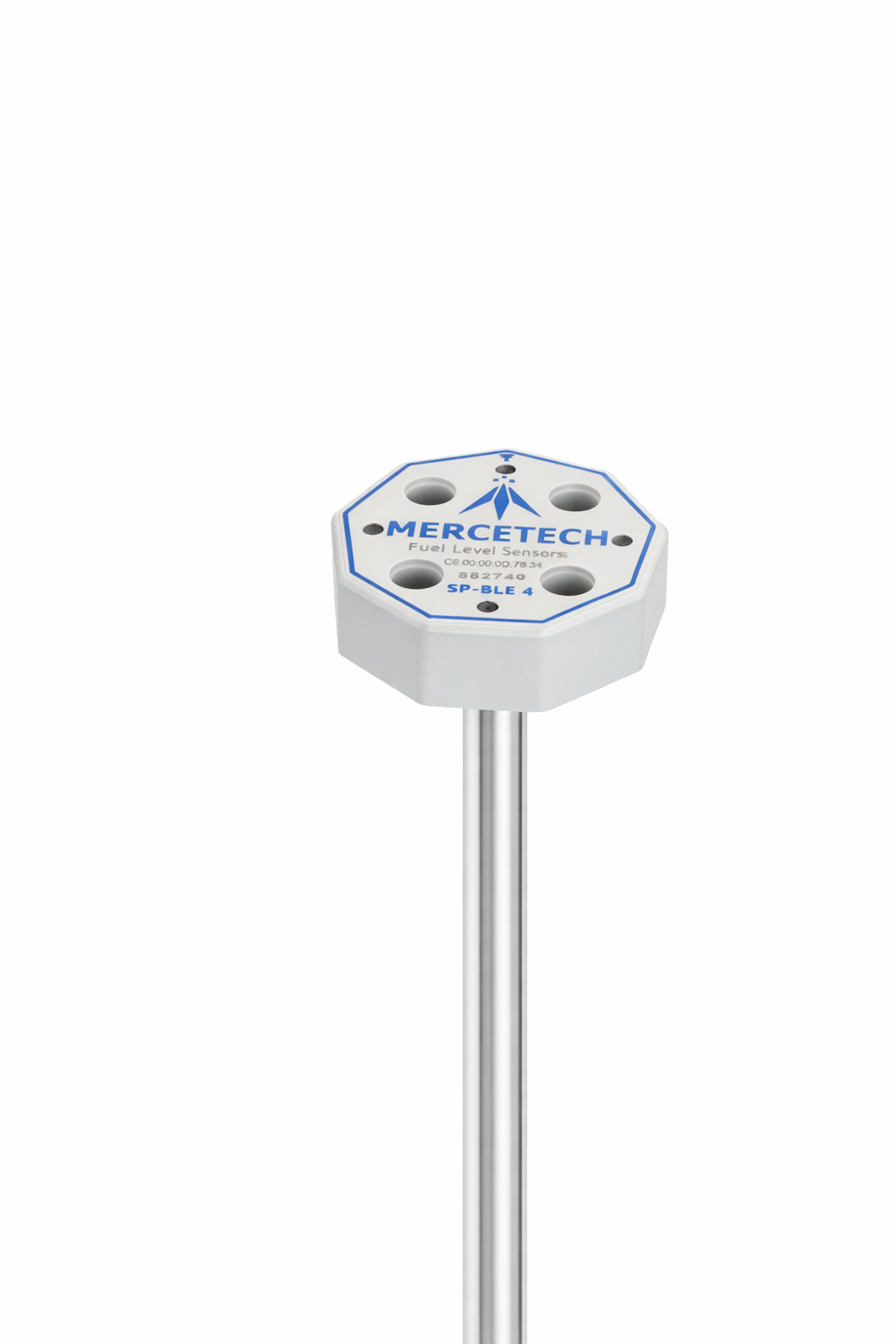
Choose your fuel monitoring equipment
Wireless Fuel Sensors
Compare SP-BLE 4 and SP-BLE 3 with your receiving hardware and reporting requirements.
Explore SP-BLE 4 →SP-485 Wired Fuel Level Sensor
Assess the SP-485 for a wired installation. Confirm the supplied model, wiring and receiving-device compatibility.
Explore SP-485 →Integration Planning
Define the sensor, receiving equipment, platform and calibration process as one complete system.
View all products →Built around your application
Specify the operating countries, receiving hardware and proposed local installer.
Plan your installation
Select equipment
Share the tank dimensions, fuel, asset types and quantity needed.
Check compatibility
Confirm the exact sensor, tracker or controller and software data path.
Calibrate the tank
Validate stable readings against known measured quantities before rollout.
FIVE SUBREGIONS · COUNTRY-SPECIFIC PROJECT BRIEFS
Fuel Sensor Project Guides Across Africa
Choose the subregion relevant to your destination. These guides help you prepare an equipment or integration enquiry; supply, delivery, local installation and support arrangements are confirmed for the actual country and project.
MODEL COMPARISON · BEFORE YOU ORDER
Compare Fuel Level Sensors for Africa Projects
For an African fleet, generator or stationary-tank project, choose the measurement arrangement before agreeing the country-specific supply and commissioning scope. A wireless link at the tank and mobile connectivity to a platform are separate parts of the system.
| Sensor option | Product role | Check before selecting |
|---|---|---|
| SP-BLE 4 wireless fuel level sensor | Wireless tank-to-receiver measurement | Confirm the exact receiver model, supported sensor data and reception at the installed tank. |
| SP-BLE 3 wireless fuel level sensor | An alternative wireless model to assess | Compare current supplied-model documentation, installation conditions and maintenance requirements. |
| SP-485 wired fuel level sensor | Wired tank measurement | Check the receiving device, power requirements, cable route and tank-specific calibration. |
A fuel level sensor measures the tank. Remote fleet reports, location and notifications depend on compatible receiving hardware, connectivity and the selected platform.
Match the sensor to your application
Truck and fleet fuel monitoring
Record single or multiple tanks, vehicle types and receiving-device models. Review settled readings and refuelling events alongside vehicle activity.
Truck fuel monitoring checklist →Generator and storage-tank monitoring
Describe the tank shape, replenishment process, power arrangement and required reporting intervals. Identify who creates and validates the tank table.
Tank calibration planning →Integrator and bulk sensor enquiries
Share the receiving-device portfolio, destination, intended applications and quantity. Request current documents for each proposed model.
Compare the complete product range →Review Mercetech company information and published company certificates, then request a model-specific quotation. Delivery, installation and support arrangements are confirmed for the actual destination.
FROM PRODUCT SELECTION TO COMMISSIONING
Plan your project with confidence
Projects involving fuel level sensors in Africa need a clear plan for measurement, receiving hardware, calibration and support. A long-distance vehicle fleet, a generator site and a stationary storage tank can require different system arrangements. Mercetech Innovations provides product information for assessing wired and wireless sensor options.
Use this page to prepare a country-specific product, integrator or distribution enquiry. State the destination and the proposed local installation and support arrangements. Product availability, delivery and service responsibilities should be confirmed for the actual project rather than assumed for the whole continent.
Northern Africa: Fuel Sensor Project Requirements
For a fuel level sensor enquiry involving Egypt, Morocco, Algeria, Tunisia or another Northern African destination, state the country, asset types, fuel and tank dimensions. Specify whether the requirement is tank-level measurement for vehicles, generators or storage, rather than assuming every fuel-management product measures the same thing.
Compare Mercetech SP-BLE wireless sensors and the SP-485 wired fuel level sensor with the exact receiving hardware. Request the current supplied-model documents and identify the required documentation and support language. Installation, calibration, delivery and any local service responsibilities need an agreed project scope before procurement.
Middle / Central Africa: Equipment and Site Monitoring
For Cameroon, DR Congo, Gabon, Angola or another Central African project, explain whether the measurement concerns road fleets, site machinery, generators or stationary tanks. Include photographs or dimensions of the intended mounting area, the tracker or controller model and the number of installations.
Define the measurement chain from tank sensor to receiving device and reporting platform. Ask the connectivity provider how the proposed system handles interrupted uploads and confirm who will install, calibrate and maintain the equipment at the actual site. A documented pilot should compare stable reference quantities and known refuelling events with the final report before wider deployment.
Select the sensor and the complete data path
Compare the SP-BLE 4 and SP-BLE 3 with the exact BLE receiver proposed for the installation. For a wired system, assess the SP-485 wired fuel level sensor against the receiving device’s interface, message support and configuration.
The fuel sensor measures the tank condition. A compatible tracker or gateway transfers and interprets the data, while the selected platform provides remote reports and notifications. Validate the entire chain before selecting equipment for a wider deployment. Read the IoT monitoring guide for the roles of the different components.
East Africa: Kenya and Cross-Border Fleet Projects
For a Kenya, Tanzania, Uganda, Rwanda, Ethiopia or other East African enquiry, identify the operating countries, tank arrangements and receiving hardware. If vehicles cross borders, ask the tracker and connectivity provider how uploads, delayed data and network changes are handled. Wireless communication between the tank sensor and its receiver is separate from the connection that uploads data to the platform.
For a Kenya project, identify the actual installation location, such as Nairobi or Mombasa, and whether the assets also operate across borders. Describe who will install and calibrate the equipment in each location. Keep sensor identities, tank tables and receiving-device details associated with the correct vehicle. Country and route information helps define a supportable project; it does not establish that every product combination is suitable.
Southern Africa: Fleet, Mining and Equipment Enquiries
For South Africa, Namibia, Botswana or another Southern African destination, state whether the requirement concerns road vehicles, construction or mining equipment, generators or storage. Provide tank dimensions, mounting constraints and operating conditions. The supplied model documentation should establish the operating limits and installation requirements relevant to the proposed system.
Use a representative pilot to check stable reference quantities and known operating events. Vehicle movement and tank conditions can affect how a fuel graph is interpreted. Retain supporting records when investigating unusual changes rather than treating every drop as a confirmed loss.
West Africa: Generator, Fleet and Stationary-Tank Projects
For a generator, fleet or tank project in Nigeria, Ghana, Senegal, Côte d’Ivoire or another West African market, explain the refuelling process, the measurement location and the reports needed by the operating team. Identify the receiving device, available power arrangement and the party responsible for the upload connection and platform configuration.
A tank-specific calibration table relates stable readings to known quantities. Confirm where the conversion into litres takes place and validate the report during commissioning. The calibration guide provides a practical planning framework; the exact product instructions remain the installation reference.
Distributor and integrator enquiries
Tell us the destination countries, intended applications, expected quantities and existing tracker or platform portfolio. Request the current documentation for the models under consideration. Discuss which technical resources, commissioning guidance and support responsibilities are needed for the proposed work.
Separate hardware supply from any local installation, connectivity, software subscription or maintenance service. Ask for current commercial and fulfilment terms for your actual destination. Explore the fuel monitoring product range before preparing a model-specific enquiry.
Start a country-specific fuel sensor discussion
Send Mercetech your project brief or book a technical discussion. Include the country, asset and tank types, number of installations, receiving device and the team responsible for local work. This gives the discussion a clear basis for checking the proposed equipment and responsibilities.
PRODUCT SUPPLY & PROJECT ENQUIRIES
Request a Fuel Sensor Quotation for Africa
For African projects, include the destination country and operating routes. Kenya and East African fleets, South African equipment projects and Nigerian generator sites can require different connectivity, installation and support arrangements. Define these details in the project brief.
For Fleet & Equipment Buyers
Send the asset count, tank dimensions, fuel and tracker or controller model. State whether you need sensor hardware, a pilot assessment or additional commissioning guidance.
Discuss a fleet project →For Integrators & Distributors
Share your destination markets, expected quantities and receiving-device portfolio. Request the current model documents and agree supply, installation and technical-support responsibilities.
Book an integration discussion →What determines the fuel sensor project price?
The selected sensor, quantity, tank arrangement, receiving hardware and required service scope affect the quotation. Ask for installation, calibration, software and connectivity items to be identified separately where applicable.
What should a pilot installation verify?
Check the accepted sensor and receiver combination, stable readings against known quantities, tank calibration and the final reports. Keep the sensor identity, tank table and configuration with the installation record.
Talk to Mercetech
Share your project requirements and discuss the right sensor setup.
Delivery, availability, installation and service scope are confirmed per project in the quotation.