
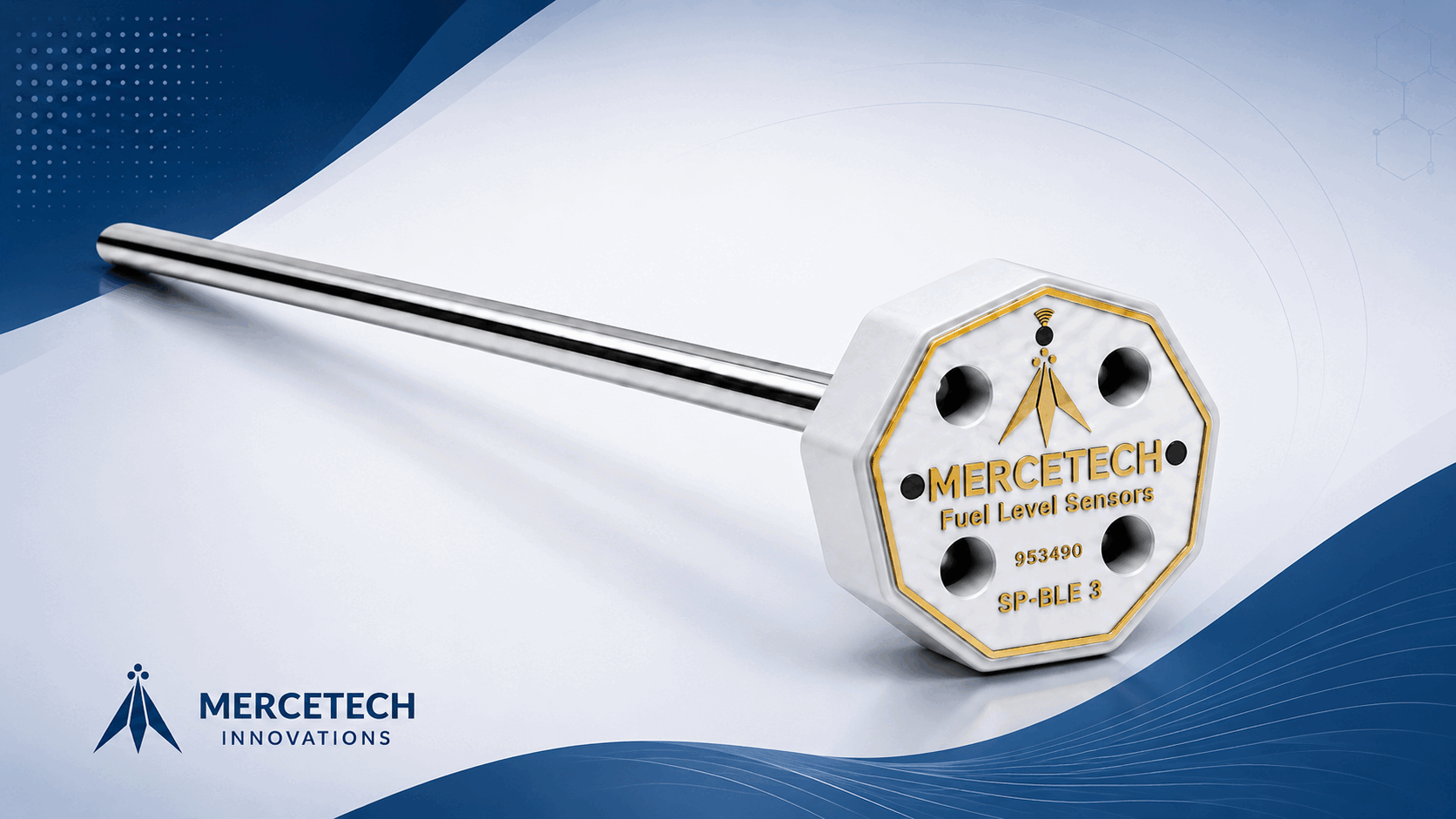
SP-BLE 3 Fuel Level Sensor for Wireless Monitoring
The SP-BLE 3 fuel level sensor measures liquid level in compatible vehicle tanks and stationary storage applications. Its capacitive probe responds to changes in the surrounding liquid level. Bluetooth Low Energy communication sends readings to a compatible receiver, tracker or gateway.
The sensor supplies tank measurements; the receiving hardware and connected platform provide remote reporting. Before selecting the SP-BLE 3 fuel level sensor, confirm the tank dimensions, intended fuel, mounting arrangement and the exact tracker support for the supplied model.
SP-BLE 3 Features for Fuel Monitoring
Wireless Communication with Compatible Hardware
BLE can reduce cable routing between a tank-mounted sensor and its reader. A receiving device still needs support for the sensor data format. Confirm the integration for the exact tracker and software combination rather than assuming that every Bluetooth-enabled device can interpret the readings.
Tank-Specific Configuration
The SP-BLE 3 fuel level sensor should be selected for the tank depth, mounting space and application. Probe configuration and any permitted adjustment must follow the instructions for the supplied model. Ask for current technical documentation before installation work begins.
Fuel Height and Fuel Volume
A level measurement and a volume in litres are different quantities. A tank-specific calibration table connects stable readings with known fuel quantities. Confirm where that conversion is performed in the complete system and keep the units consistent between the sensor, tracker and reports.
Power and Operating Requirements
Request the battery configuration, operating limits and maintenance instructions that apply to the supplied unit. Consider access for future inspection and servicing when planning a mounting position. The exact specification should be checked for the selected model and application.
Installation and Data Validation
A trained installer should assess mounting, clearance and the receiving connection. Validate the complete data path with known events and stable reference measurements. Save the tank table and device settings so that future changes can be reviewed against the commissioning record.
Applications & Use Cases
Commercial Fleets and Equipment
Compatible installations can use tank readings to review diesel levels, refuelling activity and unusual changes alongside vehicle location and operating records. Useful reporting depends on the tracker, its configuration and the monitoring platform.
Generators and Stationary Tanks
Tank-level visibility can support refuelling planning for generators and storage applications. Confirm the liquid, tank arrangement and operating conditions before selecting the sensor. A stationary installation still needs a compatible data path and a suitable calibration method.
Investigating Unexpected Changes
A sudden reading change can reflect fuel movement, vehicle tilt, refuelling, a configuration problem or a possible loss. Check the event with supporting operational records before reaching a conclusion. The fuel theft detection guide provides a practical review process.
Compare and Plan Your Installation
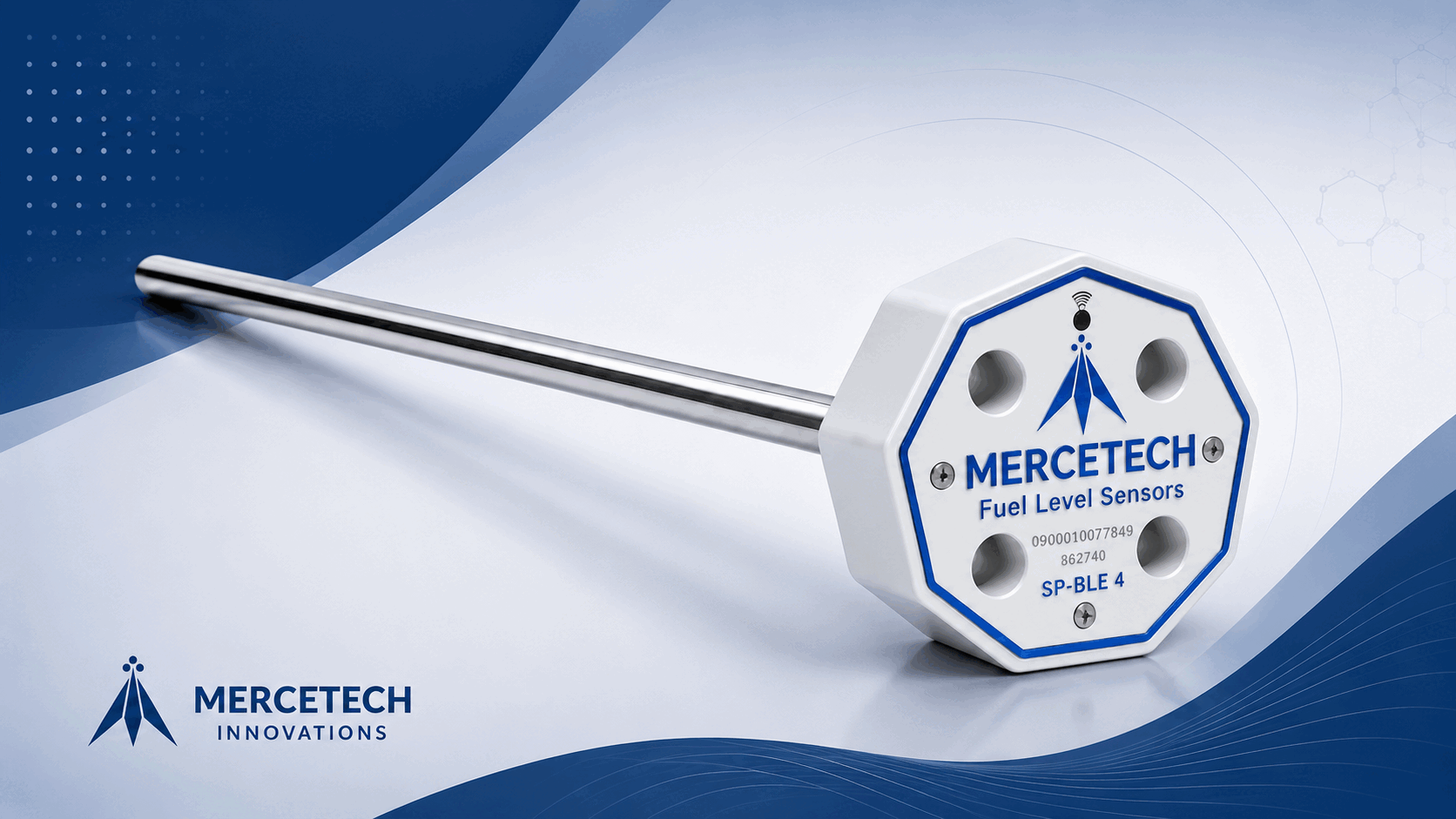
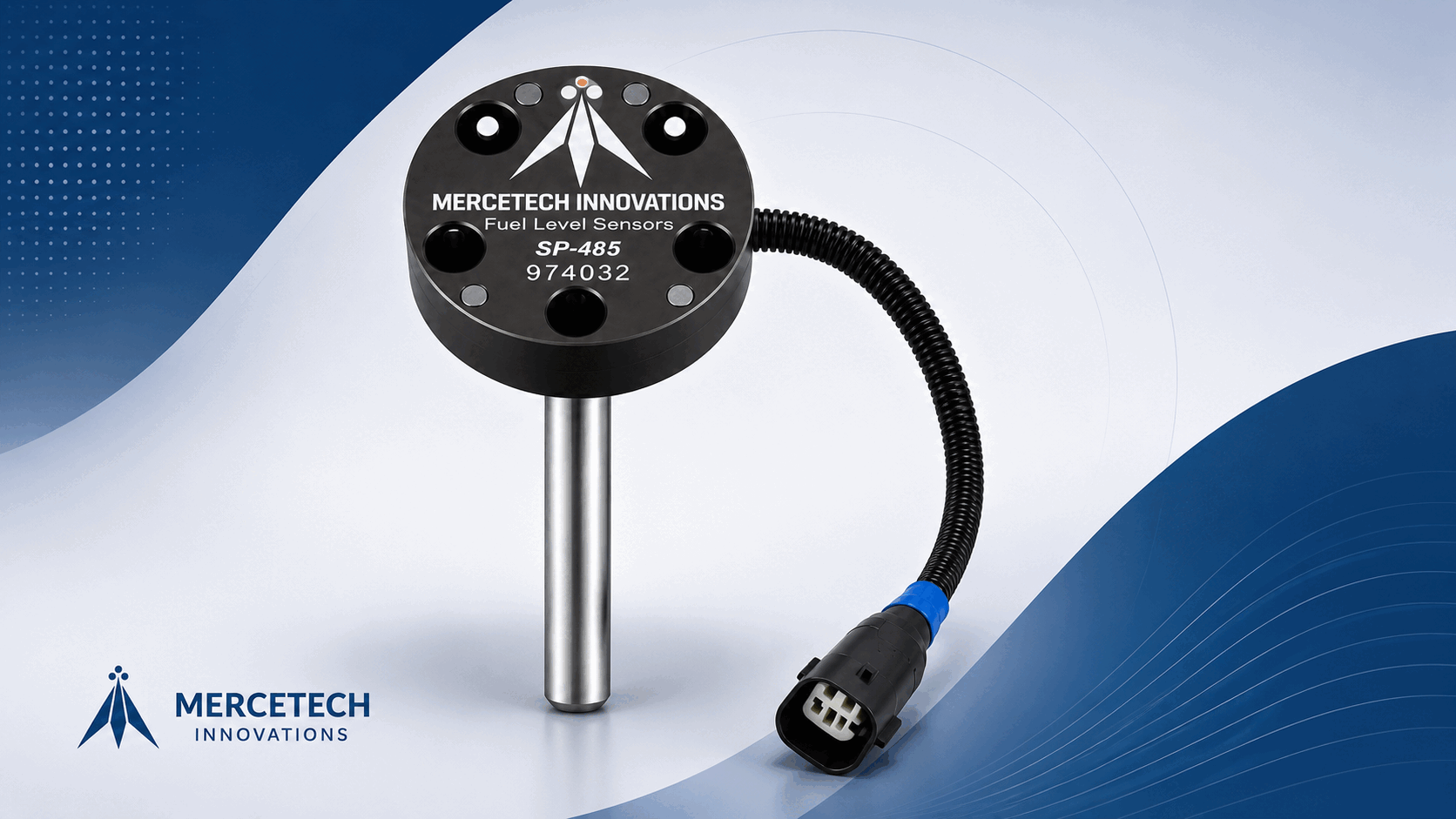
Read the calibration guide, compare the SP-BLE 4 sensor and the SP-485 wired sensor, or request current SP-BLE 3 fuel level sensor documentation.
For background on the wireless standard, see the Bluetooth technology overview. Model-specific compatibility and installation instructions remain the reference for your proposed system.
Installation and Selection Guide
Plan the SP-BLE 3 Data Path Before Buying
A useful SP-BLE 3 installation starts with a clear route from the tank to the person reviewing the report. Write down the sensor model, receiving device, tracker firmware and platform. Ask the integrator to confirm support for that exact combination. Bluetooth capability on a phone or tracker does not, by itself, confirm that it can decode the sensor messages or convert them into the information your operation needs. Separate local reception from remote reporting. Check where the receiver will be mounted, how it will be powered and how readings reach the platform. Agree how the system represents a lost connection, an old reading and a fresh measurement. A displayed value without a clear timestamp can create confusion during an operational review.Prepare Tank Information for an SP-BLE 3 Enquiry
Record the tank shape, usable depth, intended fuel, available mounting position and access around the tank. Include photographs and a simple dimensioned sketch when asking for a recommendation. Explain whether the installation is on a moving vehicle, a generator or stationary storage. These details help the supplier check the appropriate probe configuration and the installer plan the work. For a vehicle with two tanks, identify which tank is being measured and how fuel moves between them. A reading from one tank should not be presented as the complete vehicle quantity without a verified system design. Confirm how separate tanks and devices will be named in the platform so that drivers, maintenance staff and analysts can recognize the correct source.Commission the SP-BLE 3 with Known Reference Events
Follow the supplied installation instructions and use a trained installer. During commissioning, compare stable sensor readings with known measured quantities and the intended tank table. Check the units at every stage. A raw level, a percentage and a volume in litres need clear labels; they should not be treated as interchangeable measurements. Use a recorded refuelling event to check the complete reporting path. Keep the event time, measured quantity, vehicle or tank identity and relevant platform observations together. Look for a consistent explanation across the sensor, receiving device and report. Resolve unexplained scaling, time or communication differences before relying on the installation for routine fuel reviews.Use SP-BLE 3 Reports in a Consistent Review Process
Agree who reviews refuelling, unusual drops and missing data. Examine an event alongside vehicle movement, tank conditions, available location information and operating records. A sudden change is a reason to investigate; it does not establish why the change occurred. Save the supporting evidence and distinguish confirmed findings from events that remain unresolved. Start with a representative pilot before specifying a larger rollout. Include the tank types and receiving devices that matter to the operation. Assess completeness of data, clarity of reports and the team’s ability to resolve events. Define acceptance criteria in advance so that the decision to expand rests on observed system performance.SP-BLE 3 Questions to Resolve Before Installation
Will any Bluetooth tracker work?
No universal compatibility should be assumed. Request confirmation for the exact SP-BLE 3, tracker, firmware and platform combination. A supported radio interface and a supported sensor data format are separate requirements.Does wireless communication remove the need for calibration?
The radio connection transports measurements. Tank-specific interpretation still needs to be planned and checked. Confirm where the tank table is stored and how changes are controlled.What should be retained after commissioning?
Keep the device identity, tank dimensions, approved configuration, tank table, receiving-device details and acceptance observations. These records provide a reference after maintenance or replacement.How should I choose between SP-BLE 3 and SP-BLE 4?
Compare the current model documentation against your tank, receiver and maintenance requirements. Ask Mercetech to confirm the relevant differences for your application rather than choosing from the model number alone.Compare Monitoring Products
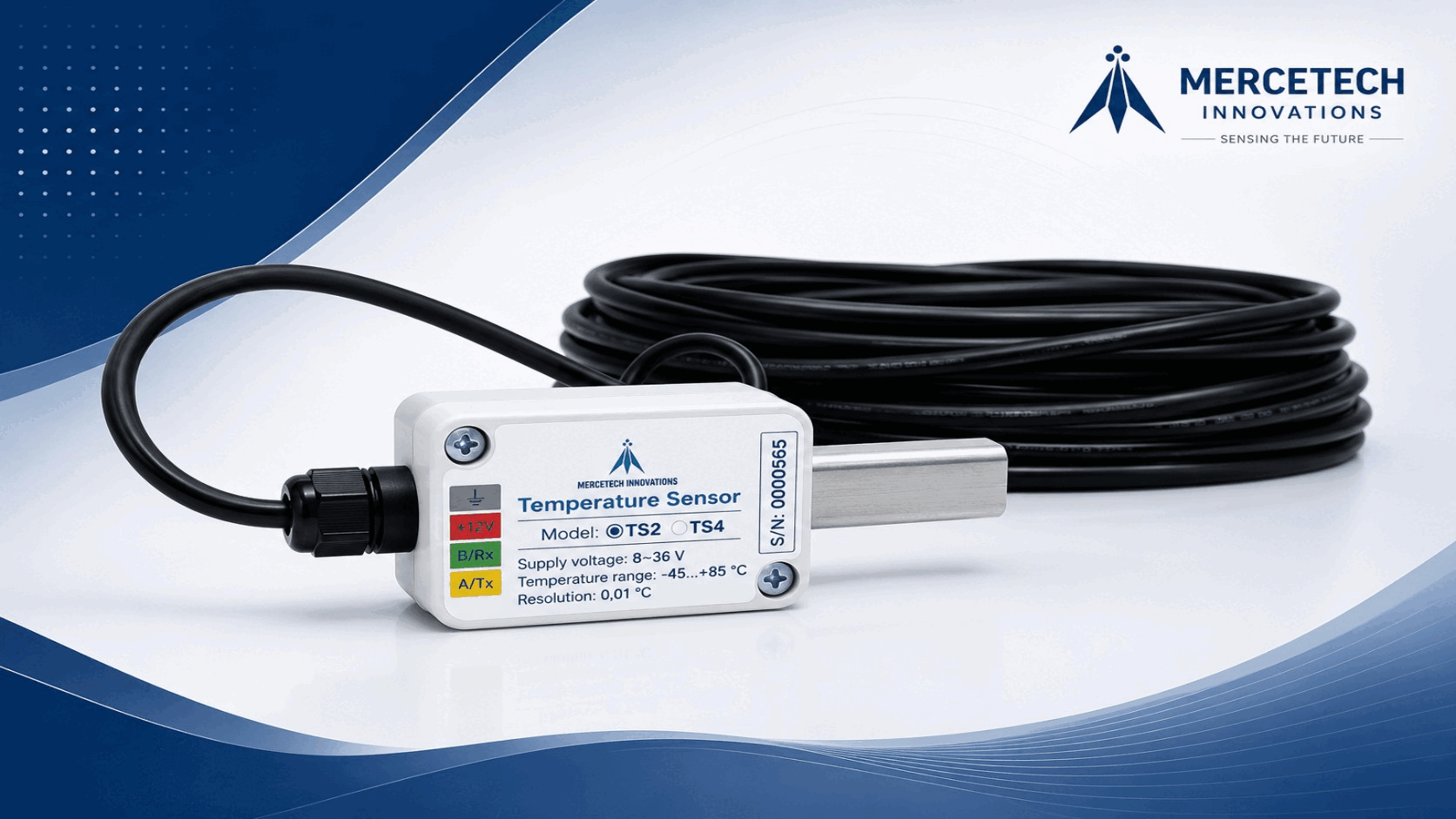
Use these product pages to compare the role of each device. Products shown together are catalogue options; confirm compatibility for the exact system before selection.
PRODUCT • TANK • RECEIVER • CALIBRATION
Plan your fuel sensor project
Share your country, asset type, tank dimensions, quantity and exact tracker or controller model. Our team can review the proposed sensor and the information needed for a quotation.
Check the complete setup
Confirm the sensor model, receiver support, tank calibration and reporting platform. Agree who will install, commission and support each part of the system.
Read the calibration guide →Make the quotation clear
Ask for separate equipment, installation, calibration, connectivity and software items where applicable. Request current documentation, availability and commercial terms for your destination.
Book a technical discussion →Choose your regional buying guide
SP-BLE 3 Wireless Fuel Sensor Enquiries for Africa
Assess the SP-BLE 3 for wireless tank measurement within a compatible receiving system. African fleet and equipment enquiries should include the tank, mounting position, receiver model and firmware, reception conditions and maintenance plan. Validate sensor reception and tank-specific calibration during the pilot.
Choose your project guide: Northern Africa · West Africa · Middle / Central Africa · East Africa · Southern Africa.
Include the destination country and quantity. Equipment availability, delivery and any local installation or support scope are confirmed in the project quotation.
