
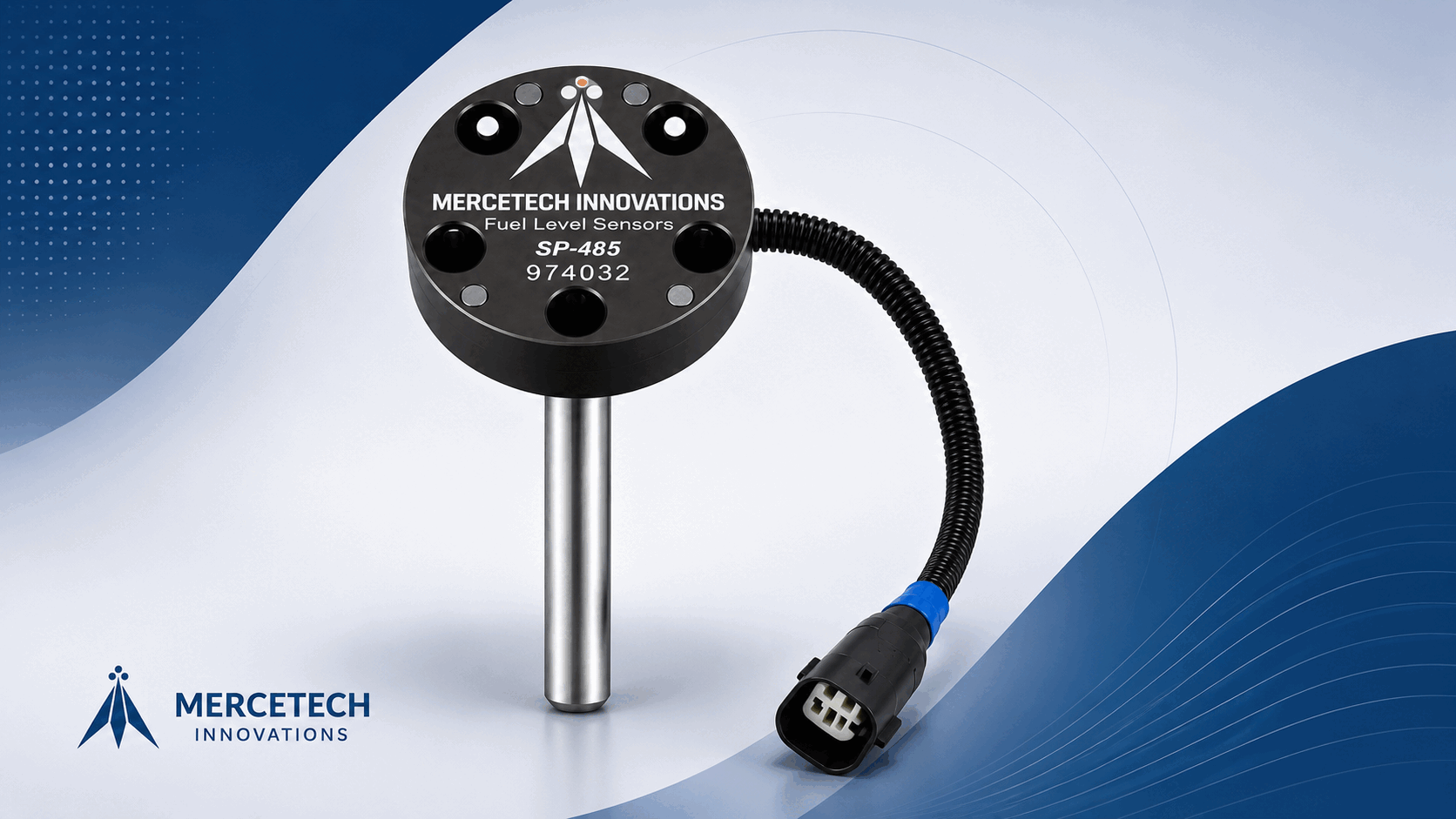
SP-485 Fuel Level Sensor Features
High-Precision Fuel Measurement: Advanced capacitive technology ensures accurate and reliable diesel fuel level monitoring.
Wired Digital Connection: Stable data transmission with compatible GPS trackers and fleet management systems.
Fuel Theft Detection: Helps identify abnormal fuel drops, fuel losses, and unauthorized fuel drainage.
Smart Fuel Calibration: Supports tank-specific calibration for accurate fuel measurement and consumption analysis.
Durable Industrial Design: Designed for commercial vehicles, generators, heavy machinery, and industrial fuel tanks.
GPS & IoT Integration: Supports real-time fuel monitoring through compatible GPS tracking and telematics platforms.
Cost-Effective Fuel Management: Helps reduce fuel wastage, improve fuel efficiency, and optimize fleet operations.
Technical Highlights
Model: Mercetech SP-485
Technology: Capacitive Fuel Level Measurement
Communication: Wired Digital Connection
Application: Trucks, Buses, Generators, Mining & Construction Equipment
Integration: GPS Tracking & Fleet Management Systems
Calibration: Tank-Specific Fuel Calibration
Monitoring: Fuel Consumption, Refuelling & Potential Fuel Theft Detection
Installation: Tank-Mounted Wired Fuel Sensor
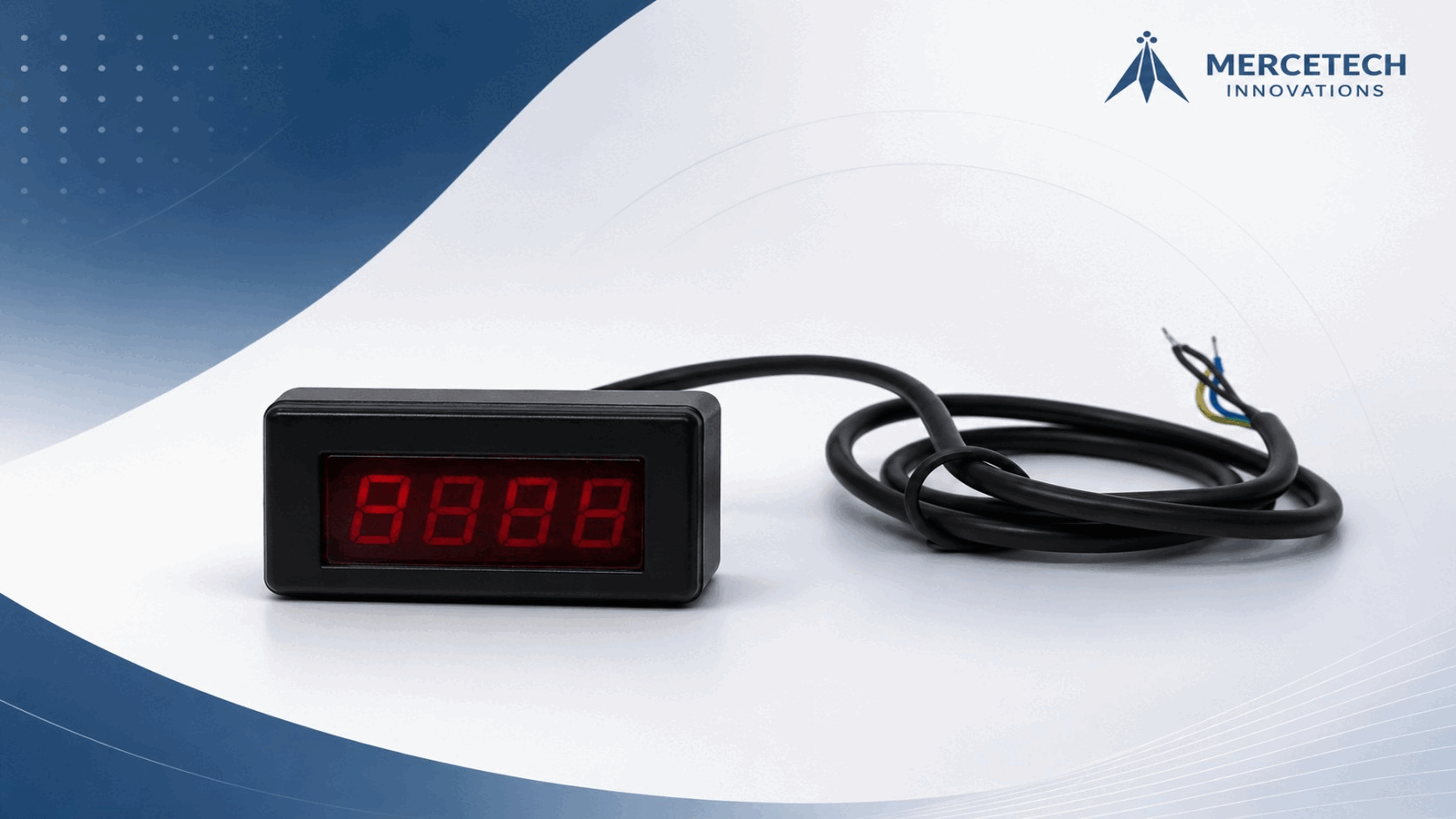
Mercetech SP-485 Fuel Level Sensor delivers precise diesel monitoring, reliable digital connectivity, and intelligent fuel management for commercial fleets and industrial applications.
Installation, Calibration & Tracker Compatibility
Correct installation and tank calibration help an SP-485 fuel level sensor produce useful diesel monitoring data. Choose a probe configuration that suits the tank, confirm the mounting position and check the electrical interface of the receiving device.
The receiving tracker or controller must support the SP-485 sensor’s data format and configuration. Confirm compatibility before commissioning the system. Reporting and alerts are provided by the connected platform.
A tank-specific calibration table maps sensor readings to known fuel quantities. Review the fuel sensor calibration guide for the planning steps, then follow the approved model-specific installation instructions.
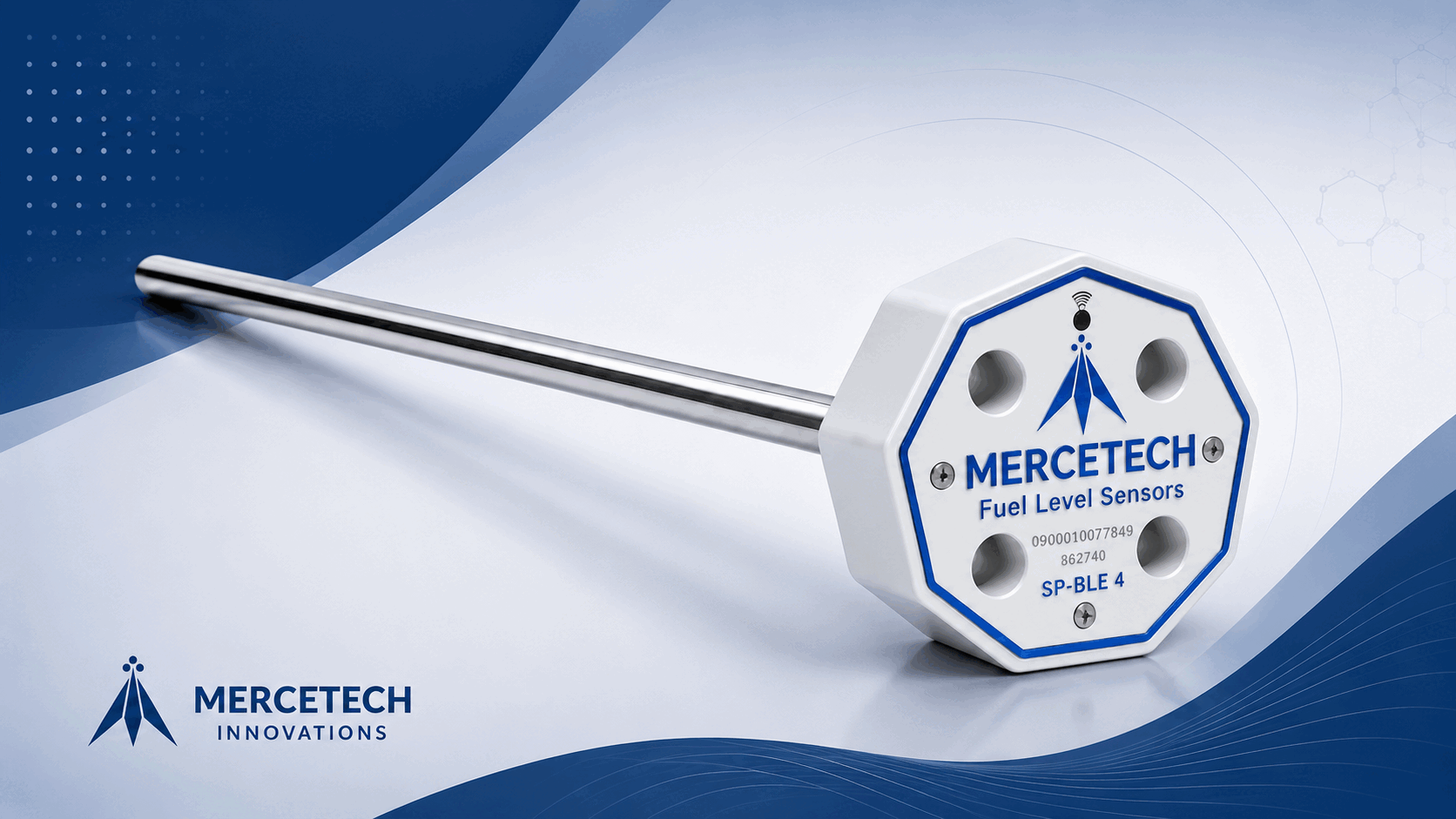
For a wireless alternative, compare the SP-BLE 4 fuel level sensor. Read the fuel monitoring solutions guide or contact Mercetech to discuss tracker compatibility and your fleet requirements.
SP-485 Fuel Level Sensor: 5 Practical Selection Checks
1. Match the tank and fuel
Record the usable tank depth, mounting constraints and intended liquid. Request the current SP-485 model documentation to confirm suitability and the required probe configuration.
2. Check the receiving device
The tracker or controller must support the SP-485 electrical interface and the sensor data protocol. For background on the interface, see the Texas Instruments SP-485 introduction.
3. Plan installation responsibilities
Assign mounting, wiring and configuration work to a trained installer using the exact supplied-model instructions. Confirm power, cable routing and protection requirements before work begins.
4. Validate the tank table
An SP-485 fuel level sensor supplies measurements that need to be interpreted consistently through the receiving device and platform. Check the units and tank table against known measured quantities during commissioning.
5. Define the daily review
Agree who will review refuelling events and unusual changes. Use supporting operating records and retain the commissioning details so that later issues can be investigated consistently.
Contact Mercetech with the tank details and tracker model to discuss the SP-485 fuel level sensor.
Installation and Selection Guide
Design the SP-485 Fuel Level Sensor Data Path
For an SP-485 installation, document the complete chain from the tank-mounted probe to the operational report. Identify the receiving tracker or controller, its supported sensor protocol, the firmware version and the reporting platform. SP-485 defines electrical communication characteristics; the integration also needs a shared understanding of the messages, units and configuration.
Ask the integrator to confirm the exact pairing before ordering. Include any other devices already connected to the receiving equipment. Cable arrangement, power supply and communication settings belong in the approved installation design. Use the supplied SP-485 documentation for model-specific wiring and configuration rather than applying a generic diagram from another sensor.
Prepare the Tank for an SP-485 Fuel Level Sensor
Measure usable depth and note the tank shape, access space, obstructions and mounting options. Describe the intended liquid and operating environment. A vehicle installation and a stationary storage tank can present different mechanical and reporting requirements. Provide photographs and dimensions so the supplier can assess the proposed probe and mounting arrangement.
Record whether multiple tanks are connected and whether fuel transfers between them. Identify each measured tank separately in installation records and reports. A single reading cannot be assumed to describe an entire multi-tank system. Ask how the proposed design will represent the quantities that your operating team needs to review.
Validate SP-485 Calibration and Reporting
A tank table relates stable sensor values to known fuel quantities. Plan who will create it, where it will be stored and which part of the system performs the conversion to litres. Check that the tracker and platform use the same intended units. Preserve a copy of the accepted table with the device and tank identities.
Commission the SP-485 fuel level sensor with recorded reference observations and a known refuelling event. Compare the local measurement, the receiving-device record and the platform result. Include event times and the measured addition in the acceptance record. Investigate discrepancies in scaling, timestamps or communication before treating the report as an operational baseline.
Review Fuel Events with Supporting Evidence
An unusual drop can have several explanations, including fuel movement, a change in vehicle position, a configuration issue or a possible loss. Review the surrounding readings and available movement, location and operating records. Assign a reviewer and retain the evidence used to reach a conclusion. Avoid treating every change as confirmed theft.
Define how missing data and delayed uploads will be handled. Staff should be able to distinguish a current reading from an older value still displayed on a dashboard. A useful reporting process includes responsibility for checking device health and correcting unresolved communication issues, alongside the daily review of consumption and refuelling.
SP-485 Fuel Level Sensor Purchasing Questions
Is SP-485 support on the tracker enough?
Confirm both the electrical interface and support for the SP-485 message format. Also check the settings and firmware required by the exact receiving device.
Can the same tank table be copied to every vehicle?
Use a table that has been validated for the relevant tank and installation. Similar vehicle names do not establish identical tank geometry, mounting or configuration.
When should the installation be rechecked?
Review the accepted configuration after probe replacement, tank changes, wiring work or tracker updates. Compare the resulting readings with the commissioning reference and retain a record of the change.
When is a wireless alternative worth comparing?
Compare the available receiver support, cable routing, installation access and service requirements. Review the SP-BLE models as separate options and confirm the complete system design before selection.
Compare Monitoring Products
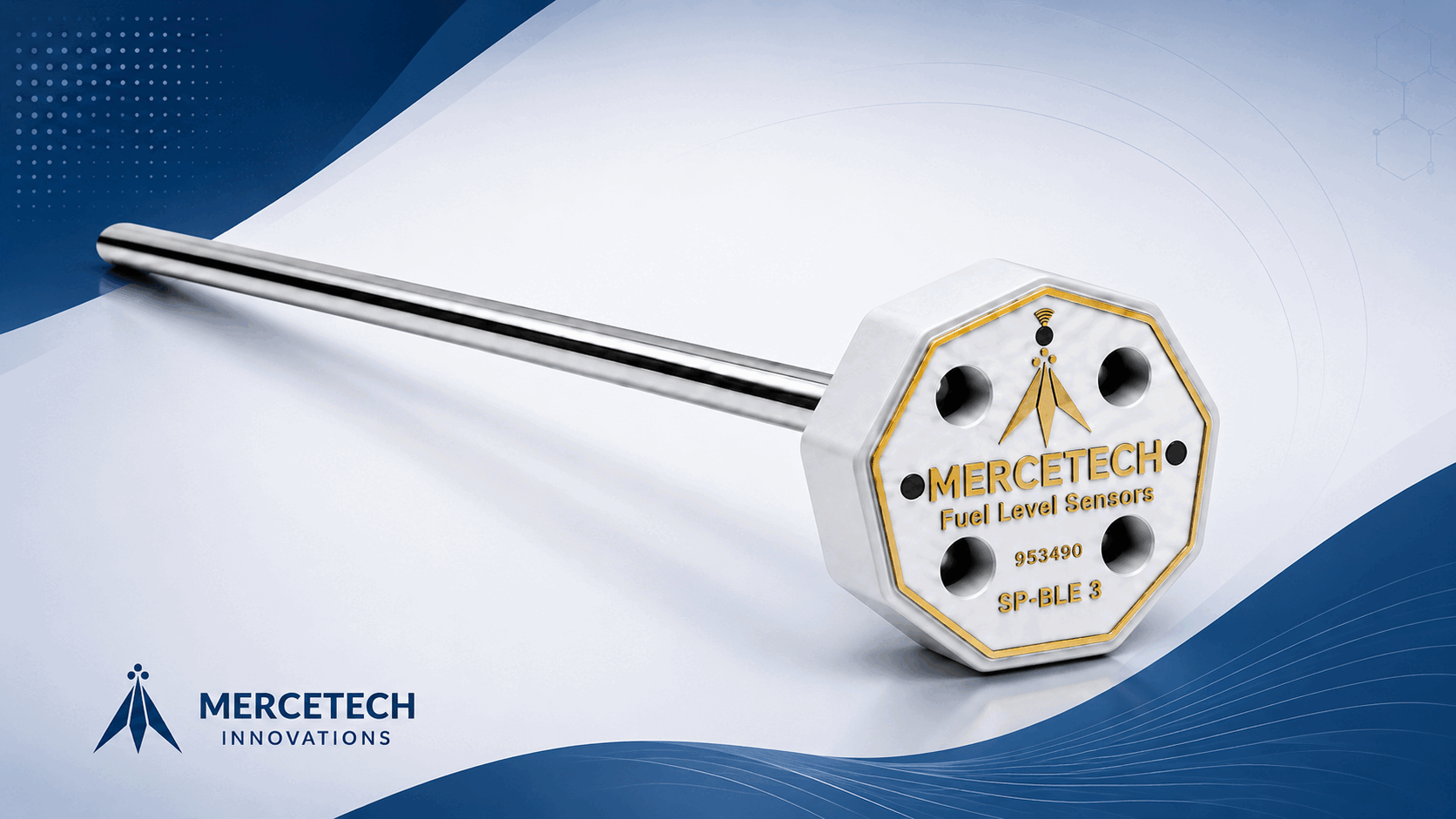
Use these product pages to compare the role of each device. Products shown together are catalogue options; confirm compatibility for the exact system before selection.
PRODUCT • TANK • RECEIVER • CALIBRATION
Plan your fuel sensor project
Share your country, asset type, tank dimensions, quantity and exact tracker or controller model. Our team can review the proposed sensor and the information needed for a quotation.
Check the complete setup
Confirm the sensor model, receiver support, tank calibration and reporting platform. Agree who will install, commission and support each part of the system.
Read the calibration guide →Make the quotation clear
Ask for separate equipment, installation, calibration, connectivity and software items where applicable. Request current documentation, availability and commercial terms for your destination.
Book a technical discussion →Choose your regional buying guide
SP-485 Wired Fuel Sensor Enquiries for Africa
Planning a wired fuel level sensor installation for trucks, generators or stationary tanks in Africa? Share the tank dimensions, fuel, cable route, power arrangement and exact tracker or controller model. Confirm the SP-485 model and receiving-device support before ordering, then validate the installed tank calibration.
Choose your project guide: Northern Africa · West Africa · Middle / Central Africa · East Africa · Southern Africa.
Include the destination country and quantity. Equipment availability, delivery and any local installation or support scope are confirmed in the project quotation.

