Fuel-Level Sensors: Advantage & Necessity for Modern Fleet Businesses
In today’s competitive fleet and logistics landscape, operational efficiency is no longer optional; it has become essential. Fuel continues to be one of the biggest and most erratic operating expenses for fleet-based companies, having a direct impact on profitability, scalability, and margins. Innovative fleet managers are increasingly incorporating fuel-level sensors as a key element of their fleet management strategy in order to obtain control over this crucial expense.
Real-Time Fuel Visibility for Smarter Decision-Making
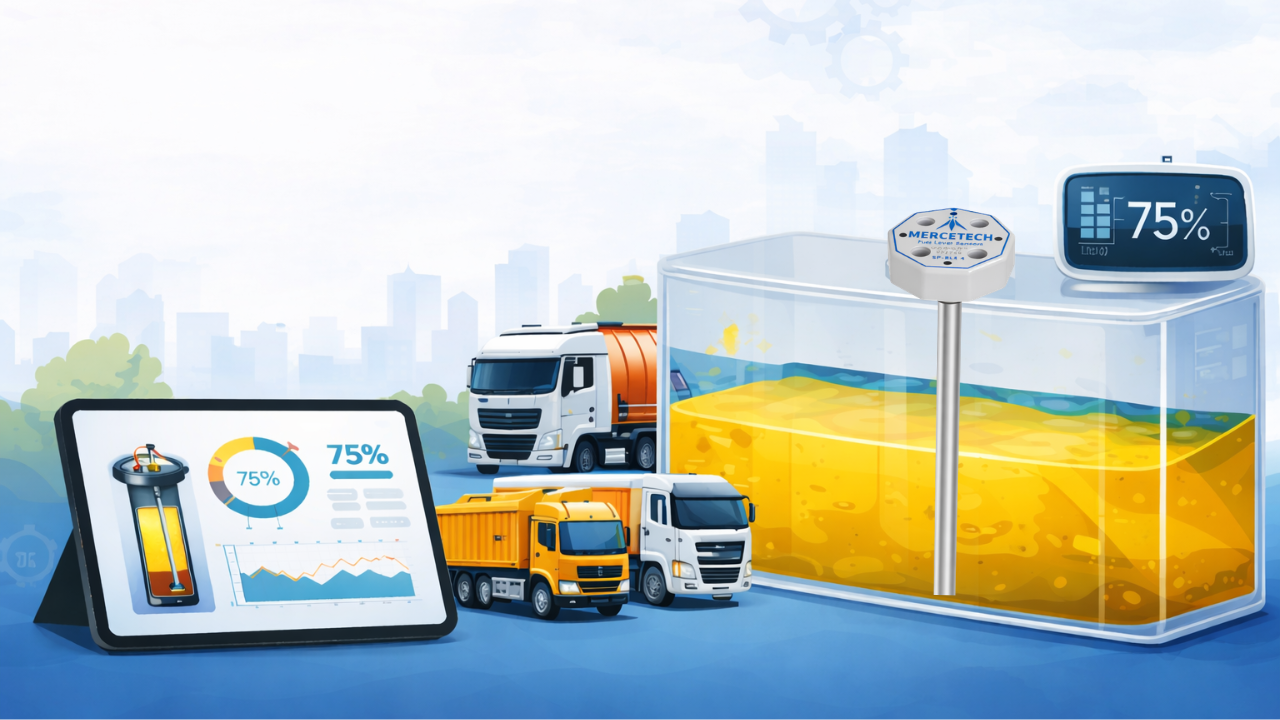
Fuel-level sensors provide accurate, real-time information about the fleet's filling, consumption, and remaining fuel levels. Sensor-based data provides unparalleled accuracy and transparency in contrast to conventional fuel monitoring techniques that depend on handwritten records or fuel bills.
From a business standpoint, this allows fleet managers to:
Get rid of inconsistent data
Verify gasoline transactions with assurance
Make well-informed choices based on confirmed consumption trends.
Fuel monitoring is no longer a reactive procedure but rather a proactive management role thanks to reliable data.
Significant Reduction in Fuel Theft and Operational Losses
Fuel theft and unapproved fuel use continue to be significant issues in fleet operations across the globe. These losses frequently go unnoticed and gradually reduce profitability. Instant notifications for unusual fuel behaviour, such as abrupt decreases during non-operational hours or discrepancies between distance travelled and fuel consumed, are provided by fuel-level sensors.
Fleet companies can gain quantifiable cost savings by eliminating fuel theft and leaks, saving their investment and operational cost.
Enhanced Cost Control and Predictable Fuel Budgeting
Organisations can move from assumed budgets to data-driven cost planning with the use of accurate fuel data. Fleet managers can find inefficiencies and improve operations by assessing fuel economy at several levels, such as vehicle, route, or driver.
This methodical understanding backs:
Better forecasting and budgeting for fuel
Finding expensive routes or failing cars
Improved responsibility for fuel stations and vendors
Long-term planning is strengthened and financial stability is created when gasoline costs are predictable.
Improved Asset Performance and Maintenance Efficiency
Changes in fuel consumption often indicate more than just fuel usage; they also show the general health of the vehicle. Abrupt shifts in consumption patterns may be a sign of poor driving habits, incorrect loading, or mechanical problems.
Fuel-level sensor data integration with maintenance scheduling allows fleet companies to:
Identify early indicators of engine inefficiency
Minimise unforeseen malfunctions
Increase asset utilisation and prolong the life of vehicles
This proactive strategy safeguards capital investments and reduces the overall cost of ownership.
Increased Transparency for Clients and Stakeholders
Data transparency is a competitive differentiator for fleets using fuel reimbursement or contract logistics models. Fuel-level sensors increase trust among internal stakeholders, clients, and auditors by producing verifiable, tamper-resistant reports.
Accurate and transparent reporting promotes SLA adherence, streamlines compliance, and boosts professional credibility in international markets.
Scalable Operations Without Increased Complexity
Manual monitoring is untenable as fleets grow. Fuel-level sensors ensure that control is not compromised by scale by automating fuel intelligence across expanding operations. Leadership teams can effectively manage big fleets without corresponding increases in manpower thanks to centralised dashboards and data.
Conclusion
Fuel-level sensors are no longer a supplementary technology; they are a strategic investment for fleet businesses seeking efficiency, transparency, and sustainable growth. By reducing losses, improving operational control, and enabling data-driven decisions, they deliver tangible business value in a margin-sensitive industry.
For fleet organisations focused on long-term performance and global competitiveness, fuel intelligence is a decisive advantage.