How Bluetooth Fuel Sensors Work: Practical Guide for Modern Fleets
Fuel management is becoming a top concern for asset owners, logistics firms, and fleet managers. Businesses have been forced to implement more intelligent monitoring systems due to rising fuel prices, the possibility of theft, and the requirement for precise reporting. The Bluetooth fuel sensor, a small but effective gadget that provides accurate gasoline data in real time, is one such solution.
This blog covers all the key technical and operational features of Bluetooth fuel sensors in an easy-to-understand and expert manner.
What Is a Bluetooth Fuel Sensor?

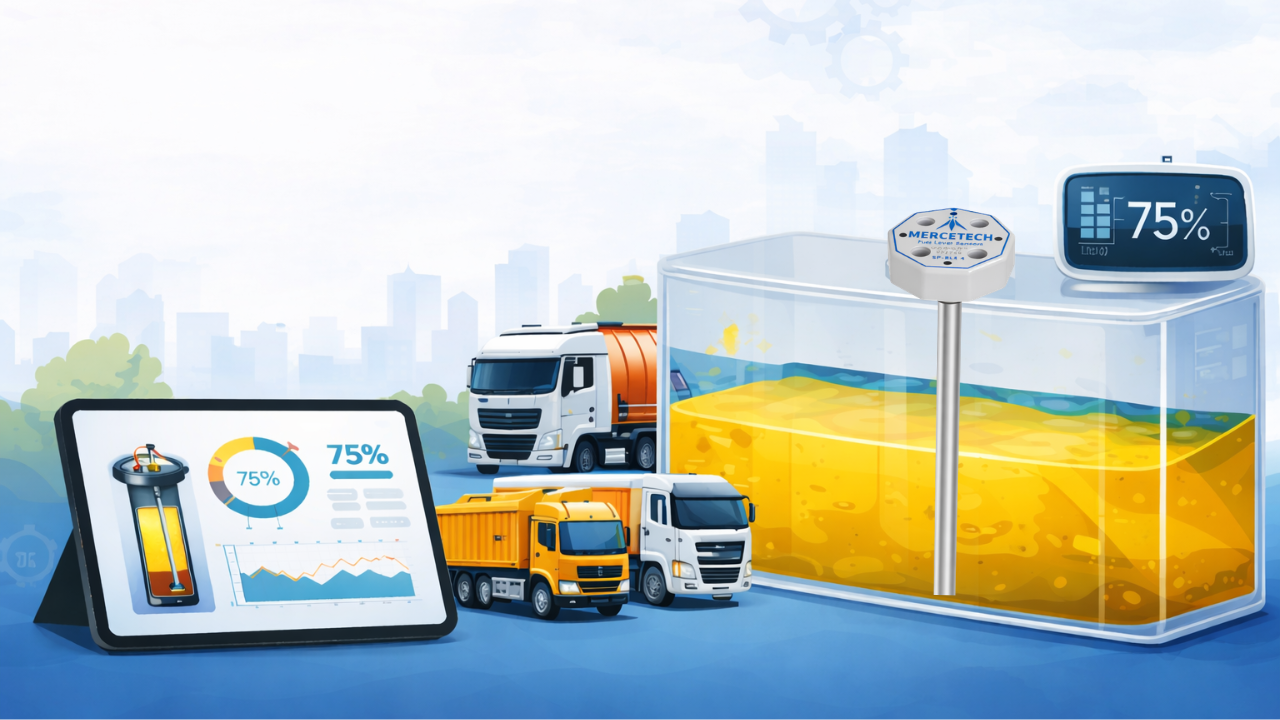
An electronic gadget that is fitted inside a vehicle's tank or generator fuel tank to precisely measure fuel levels is called a fuel sensor. Sensors can be Bluetooth and wired. These sensors employ sophisticated measurement methods and send data remotely via Bluetooth to a nearby tracking device, mobile app, or telematics system, in contrast to conventional float-based gauges.
Their main function is to deliver continuous, dependable, and tamper-resistant fuel data without complicated wiring.
How Bluetooth Fuel Sensors Measure Fuel
The capacitive measurement principle is used by the majority of contemporary Bluetooth fuel sensors. Conductive tubes or probes inside the sensor measure variations in capacitance according to the fuel level.
This is how the procedure operates:
Between sensor probes, fuel serves as a dielectric medium.
The capacitance value varies as the fuel level rises or falls.
These modifications are translated into accurate digital fuel-level measurements.
Fuel volume is continuously monitored by the sensor. Please note volume is measured and not fuel height.
Even in tanks with uneven shapes, this approach guarantees high precision and reliable performance.


Role of Bluetooth in Fuel Data Transmission
Fuel data must be safely communicated when it has been measured. Bluetooth technology is crucial in this situation.
The sensor uses Bluetooth Low Energy (BLE) to transmit fuel data.
A smartphone, gateway device, or GPS tracker receives the data.
This data is sent by the linked device to a fleet platform or cloud server.
Fleet managers get real-time access to fuel levels, consumption patterns, and alerts.
Low power consumption, reliable connectivity, and simple integration with current telematics systems are all made possible via Bluetooth.


Installation and Calibration Process
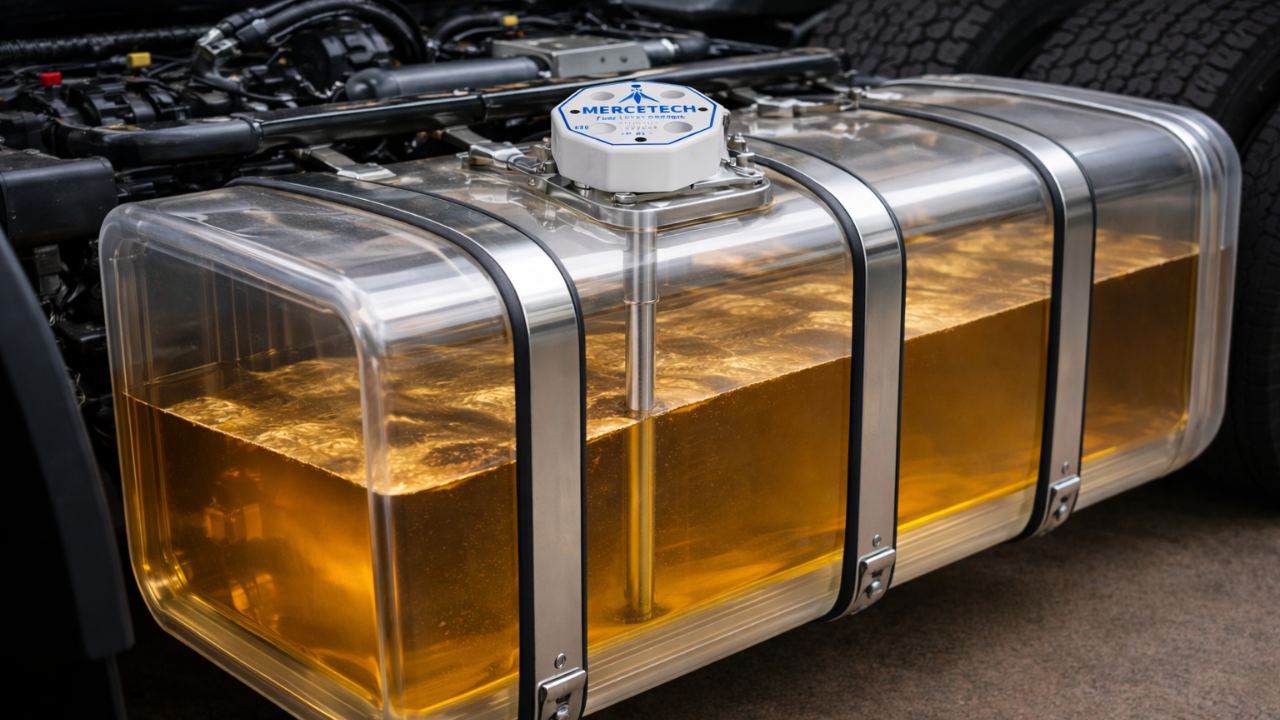
Inside the gasoline tank, Bluetooth fuel sensors are usually installed vertically. To guarantee accuracy, calibration is done after installation.
Calibration entails:
Linking sensor values to real gasoline amounts
Taking tank capacity and shape into consideration
Keeping the system's calibration data for accurate computations
The sensor offers precise readings over the whole fuel range once it has been calibrated.
Smart Features That Enhance Accuracy
These days, Bluetooth fuel sensors frequently come with extra functionality, like:
Temperature sensors to adjust for changes in fuel volume
For precise measurements on moving vehicles, tilt and vibration resistance
IP-rated durable, waterproof enclosure for challenging conditions
Long-lasting internal batteries that frequently endure for several years
These characteristics guarantee dependable performance under actual fleet conditions. The Mercetech Innovation SP BLE-4 fuel level sensor is the best choice for these features. SP BLE-4 comes with all these advanced facilities.

Why Businesses Choose Bluetooth Fuel Sensors
Bluetooth fuel sensors benefit businesses in the following ways:
Stop illegal drainage and fuel theft.
Track fuel usage in real time
Boost driver responsibility and fuel economy
Minimise mistakes and manual fuel audits
Make data-driven choices to optimise your fleet.
Because they are wireless, they also require less upkeep and are easier to install.
Conclusion
Precision measurement, wireless connectivity, and intelligent analytics are all combined into one solution with Bluetooth gasoline sensors. They enable fleet owners to save expenses, increase transparency, and boost operational effectiveness by providing precise, real-time fuel data. Bluetooth gasoline sensors are becoming a practical necessity for companies that desire accuracy, control, and scalability as fleets continue to evolve.