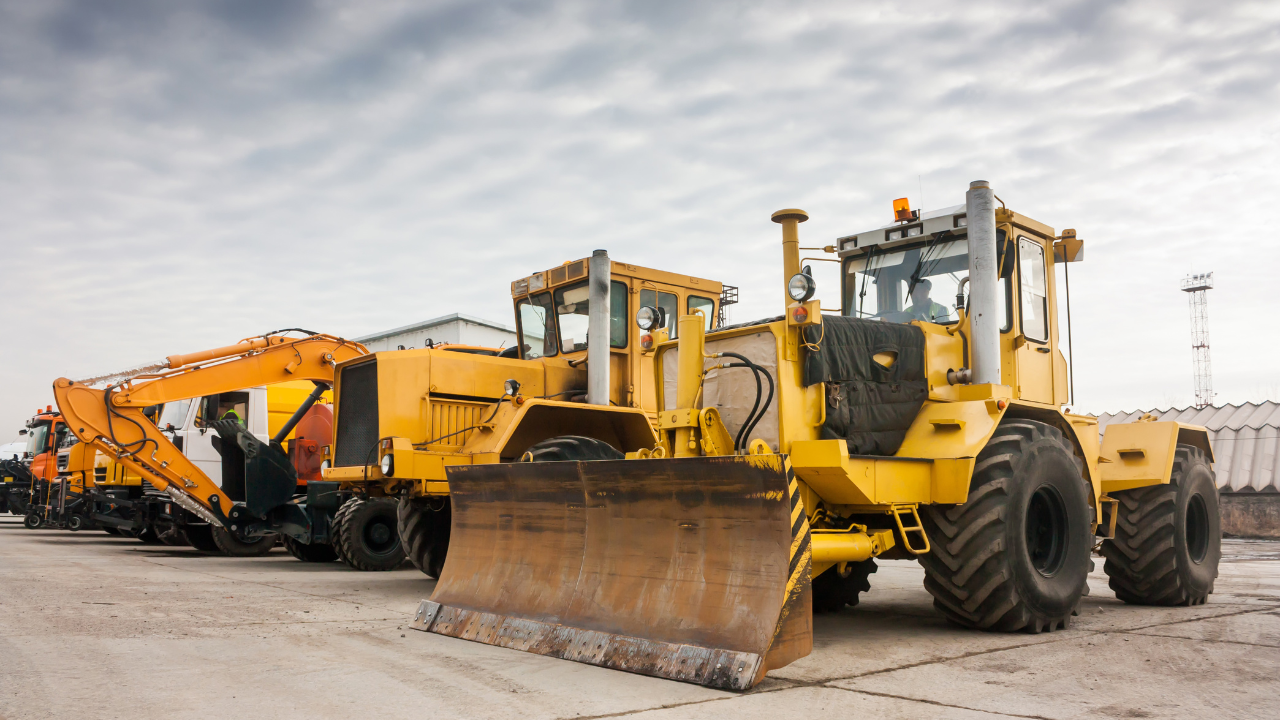

Fuel Monitoring System for Trucks: For Better Analysis
One of the largest operating costs in the transportation sector is fuel. Fuel expenses have a direct impact on a company's profitability, whether it is a construction fleet, logistics company, or long-distance transportation company. Unfortunately, many fleets still struggle with problems including fuel theft, inaccurate fuel tracking, and wasteful fuel use. This is where a fuel monitoring system for trucks comes into play.
Fleet owners may monitor fuel levels, consumption, and refuelling activities in real time with the use of a fuel monitoring system. Businesses may have total control over how much fuel each truck uses by integrating hardware sensors with intelligent software.
What is a Fuel Monitoring System for Trucks?
A fuel monitoring system is a technological device that tracks and measures how much fuel is used in trucks. Usually, it comprises a fuel level sensor that is mounted in the truck's fuel tank and linked to a telematics or GPS monitoring system.
The sensor transmits data to the monitoring system while continuously measuring the fuel level. This data can then be viewed by fleet managers via a dashboard on the web or mobile device.
This solution allows businesses to monitor the following:
Current fuel level
Patterns of fuel usage
Events for refuelling
Unexpected fuel spills (potential theft)
Fuel use versus distance travelled
Fleet managers can avoid fuel misuse and make better judgements with the assistance of this data.
Why Fuel Monitoring Systems Are Important for Truck Fleets
1. Prevents Theft of Fuel
In the transportation sector, fuel theft is a serious problem. Fuel can be drained from tanks by drivers or outside parties, resulting in large financial losses.
When a fuel level suddenly drops, a fuel monitoring system notifies fleet management right away. This facilitates the detection of suspicious activities and prompt action.
2. Precise Monitoring of Fuel Use
Manual fuel logs, which are frequently erroneous, are used by many fleet owners. Businesses may determine how well their trucks are functioning by using the precise fuel consumption data that a fuel monitoring system gives.
This enables businesses to determine which truck use more fuel and spot any maintenance problems.
3. Increases Fleet Productivity
Fleet managers can improve driving habits and routes by keeping an eye on fuel consumption. Fuel consumption is frequently increased by harsh driving, prolonged idling, and poor route planning.
Businesses can decrease unnecessary fuel waste and enhance fleet performance by examining fuel statistics.
4. Assists in Lowering Operational Expenses
Businesses may drastically cut fuel-related costs by eliminating theft, increasing fuel economy, and keeping an eye on usage trends.
Even modest increases in fuel efficiency can eventually result in significant savings.
What must your fuel monitoring system for trucks have?
A good fuel monitoring system can be ensured from a fuel level sensor that measures the fuel level in the truck efficiently. These fuel sensors send data to the telematics device constantly that appears in the form of a graph on the software dashboard. It is important to ensure that the fuel sensor measures fuel level in the tank and the temperature of the fuel and has ability to detect changes in the fuel level on an inclined path. One such sensor is Mercetech wireless fuel level sensor SP BLE-4.
With the help of right data and fuel monitoring system for trucks, you can monitor driver behaviour, plan operations more effectively, and increase fleet productivity.
Conclusion
A fuel monitoring system for trucks is no longer just an optional tool for fleet operators. By providing real-time fuel tracking, theft detection, and consumption insights, these systems help businesses reduce costs and improve fleet performance.
For companies that manage multiple trucks, investing in a reliable fuel monitoring system and a good fuel level sensor can lead to better control, improved efficiency, and long-term savings. In an industry where margins can be tight, smart fuel management can make a significant difference.