How Fuel Theft Happens in Fleet Vehicles
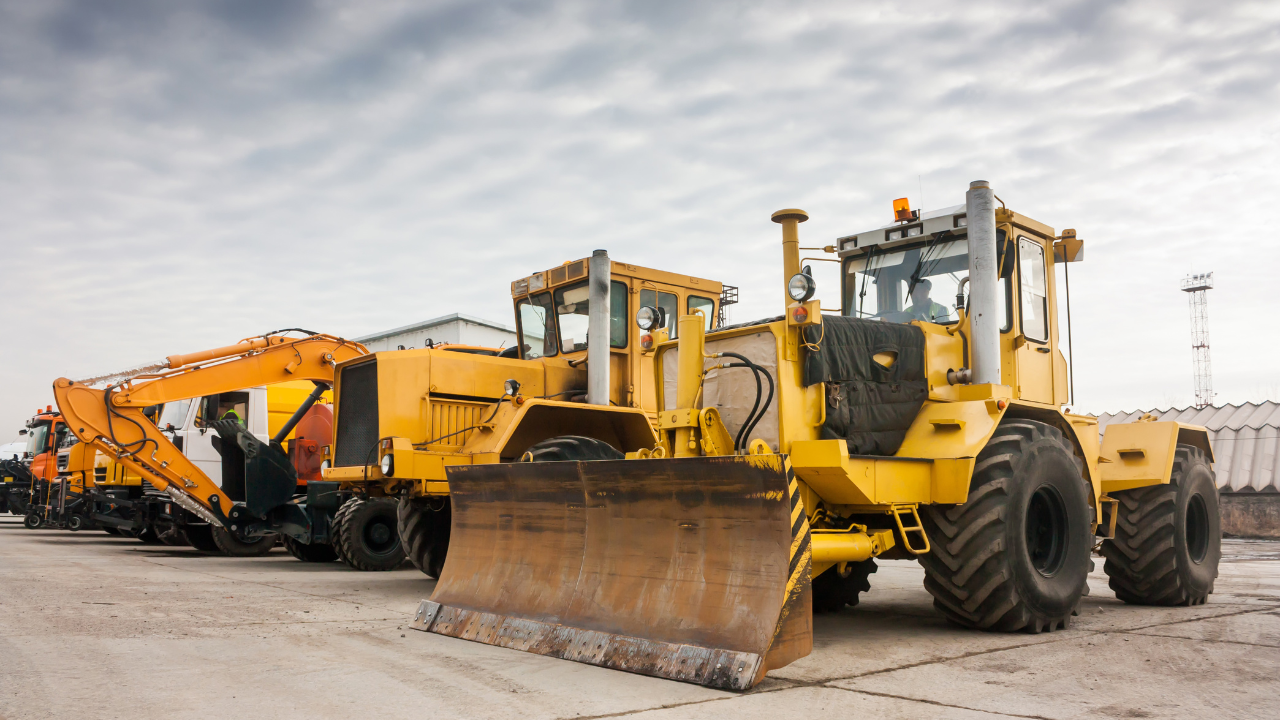
One of the biggest running costs for any fleet-based company is fuel. Fuel expenditures can make up 30–40% of all operating costs for logistics firms, construction fleets, mining vehicles, and transport operators. Unfortunately, this also makes fuel a popular target for theft. Many fleet owners are unaware of the issue until their fuel expenses continue to rise for no apparent reason.
The first step in reducing fuel theft in fleet vehicles is to understand how it occurs.
Why Fuel Theft Is a Major Problem in Fleet Operations
Fuel theft isn't usually noticeable or spectacular. It typically occurs gradually and silently, making it challenging to identify without the right monitoring measures. Small theft cases can eventually cause fleet operators to suffer large financial losses. In industries where fleets operate across multiple routes and locations, managers frequently rely on driver reports and fuel bills. These reports may occasionally hide fuel losses in the absence of precise monitoring.
For this reason, fuel monitoring technologies and fuel management systems are now essential instruments in modern fleet management.
Common Ways Fuel Theft Happens in Fleet Vehicles
Fuel theft can occur in several ways. Some methods are surprisingly simple but highly impacting when there is no proper monitoring system.
Fuel Siphoning
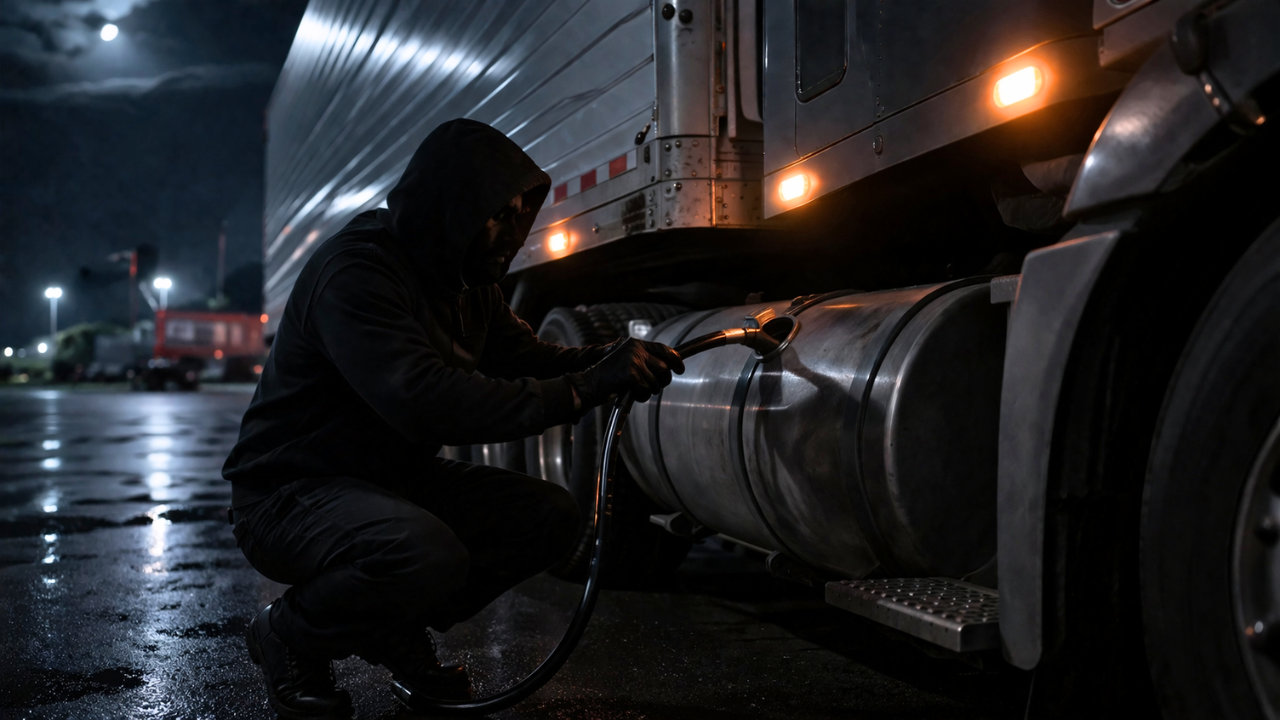
One of the most popular ways to steal fuel is this. Pipes or pumps are used to manually syphon fuel from the vehicle's fuel tank. This typically occurs during lengthy stays in far-off places or when vehicles are parked overnight.
Syphoning frequently goes unnoticed since many fleet vehicles go over highways or construction sites.
Fuel Filling Fraud
Fuel filling manipulation is another prevalent problem. In reality, drivers may buy less fuel even when they claim to have filled the tank to a certain level. The remaining amount may be pocketed in cash or shared with fuel station staff.
Without proper tracking, fleet owners find it challenging to confirm whether the stated fuel purchase actually entered the vehicle.
Unauthorized Fuel Usage
Vehicles may occasionally be utilised for personal needs or unapproved travel, using extra fuel that is never documented in official records.
This leads to higher operational expenses and unexplained fuel usage.
Fuel Drainage During Parking
When vehicles are parked at depots, warehouses, or roadside places, fuel can potentially be stolen. To make the theft less obvious, little amounts may be routinely drained.
This could result in large losses for the business over time.
The Real Cost of Fuel Theft
Fuel theft does more than just raise fuel prices. Additionally, it affects operational transparency, route planning, and fleet efficiency. Businesses are unable to accurately gauge vehicle performance or fuel usage when fuel data is erroneous. Poor decision-making and covert operational inefficiencies are the end result of such inaccuracies.
How Technology Can Help Prevent Fuel Theft
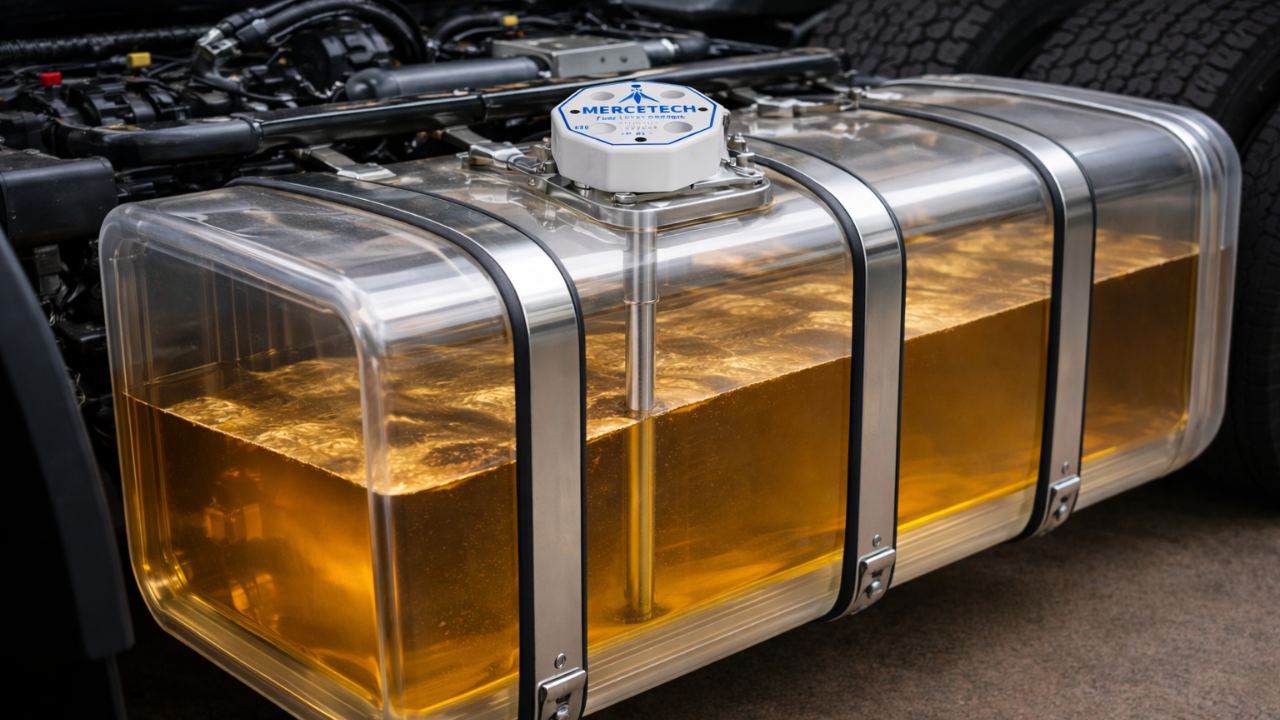
Most fleet management systems now use fuel monitoring sensors, GPS tracking, and telematics platforms to deliver real-time fuel data. Mercetech Sensors are designed to provide accurate fuel level monitoring in fleet vehicles. These sensors track fuel usage, detect sudden drops in fuel levels, and generate alerts if unauthorised fuel drainage occurs. Businesses can monitor fuel use in real time and drastically lower the danger of fuel theft by integrating such fuel sensor technology with fleet management software.
Conclusion
In fleet management, fuel theft is a hidden but expensive issue. Without enough supervision, companies can keep losing money without identifying the true reason. By understanding how fuel theft happens in fleet vehicles and implementing advanced technologies like fuel sensors, GPS tracking, and fleet monitoring systems, companies can improve transparency, control fuel costs, and protect their operations from unnecessary losses. Investing in fuel monitoring technology is now a must for fleet owners. This is going to increase productivity and cut expenses.