
Fuel Management for Logistics Companies: A Complete Guide
The fundamental component of logistics operations is fuel. Logistics companies rely significantly on fuel to keep their fleets moving, whether they be construction vehicles, delivery vans, or long-haul trucks. Fuel management is an essential component of fleet operations, as fuel is also one of the biggest operating costs for these companies.
Businesses frequently deal with issues including fuel theft, ineffective driving, inaccurate fuel records, and growing operating expenses when they don't have adequate fuel monitoring. For this reason, in order to keep control over their fuel consumption, modern logistics firms are progressively implementing fuel management systems and cutting-edge monitoring technologies.
In this blog, we'll examine the true meaning of fuel management for logistics firms and the reasons it has become crucial to modern fleet operations.
What Is Fuel Management in Logistics?
The process of tracking, regulating, and maximising fuel consumption throughout a fleet of vehicles is known as fuel management. Fuel usage is tracked, refuelling incidents are observed, driving behaviour is examined, and inefficiencies that raise fuel prices are found.
Contemporary fleet fuel management systems integrate technology like:
GPS tracking of vehicles
Sensors for fuel levels
Platforms for telematics
Tools for data analytics and reporting
These technologies enable logistics firms to make more intelligent operational decisions by giving them real-time insights regarding truck performance and fuel use.
Why Fuel Management Is Important for Logistics Companies
In the logistics industry, even small inefficiencies can lead to large financial losses when multiplied across an entire fleet.
Effective fuel management helps logistics companies:
Reduce fuel costs
Fuel monitoring systems allow fleet managers to track consumption patterns and identify vehicles or drivers using excessive fuel.
Prevent fuel theft and fraud
Fuel theft remains a common challenge in fleet operations. Monitoring systems can detect unusual fuel level drops or unauthorised refuelling.
Improve fleet efficiency
Tracking driver behaviour, idle time, and route efficiency helps companies reduce unnecessary fuel usage.
Enable data-driven decision-making.
Access to accurate fuel data allows businesses to optimize routes, plan maintenance, and manage fleet operations more effectively.
Key Challenges in Fuel Management
Many logistics companies still rely on manual records or fuel bills to track fuel usage. Unfortunately, this approach often leads to inaccurate reporting and hidden losses.
Some common fuel management challenges include:
Fuel siphoning or theft from vehicles
Manipulated fuel receipts
Unauthorized vehicle usage
Excessive idling
Poor route planning
Without real-time monitoring tools, these issues remain difficult to detect.
How Mercetech SP BLE-4 Sensor Helps in Fuel Management
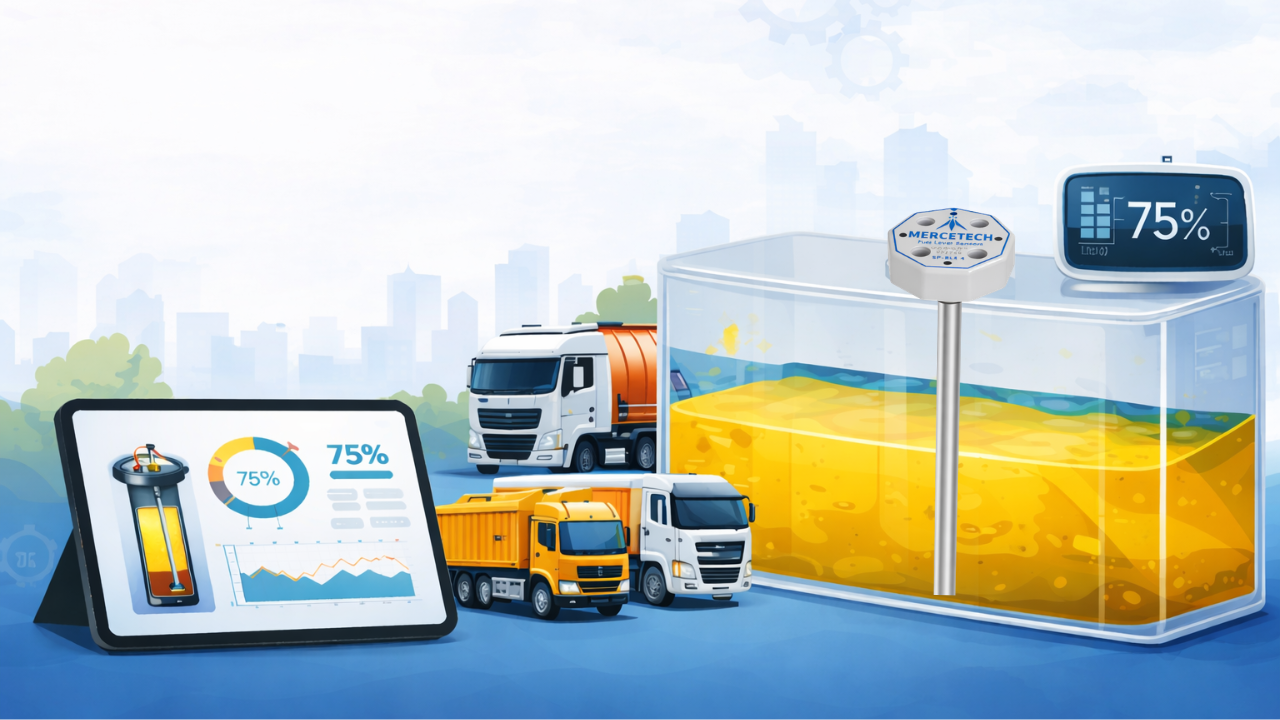
One powerful solution for accurate fuel monitoring is the Mercetech Sensor SP BLE-4. This advanced fuel level sensor is designed to measure fuel levels in vehicle tanks and stationary fuel storage systems, enabling logistics companies to track fuel usage precisely.
The sensor uses modern monitoring technology to provide accurate fuel level data and real-time fuel activity insights, helping fleet managers identify refuelling events, fuel drainage, or abnormal fuel consumption. By integrating the SP BLE-4 sensor with fleet tracking platforms, logistics companies can gain complete visibility into fuel usage across their fleet and reduce losses caused by fuel theft or inefficient operations.
For businesses operating large fleets, such sensors provide reliable data that supports better fuel planning, cost control, and operational transparency.
Best Practices for Fuel Management in Logistics
Logistics companies can significantly reduce fuel expenses by implementing a few proven strategies.
Implement real-time fuel monitoring systems: Installing fuel sensors and telematics systems provides accurate fuel tracking. Train drivers for fuel-efficient driving: Driver behaviour such as harsh acceleration and unnecessary idling can increase fuel consumption.
Optimise route planning: Using route optimisation software helps reduce unnecessary mileage. Monitor fuel consumption regularly: Regular reports allow fleet managers to identify unusual fuel usage patterns quickly. Maintain vehicles properly: Poorly maintained engines often consume more fuel than well-maintained ones.
Conclusion
For logistics firms, fuel management is becoming essential rather than optional. Businesses need to implement more intelligent techniques to manage operating costs in light of growing competition and rising fuel prices. Logistics firms may have full visibility into fuel consumption, lower fuel theft, increase fleet efficiency, and make better operational decisions by implementing advanced fuel monitoring systems, telematics platforms, and fuel level sensors into place. Effective fuel management for contemporary logistics operations involves more than just fuel conservation; it also involves creating a fleet that is more intelligent and productive.