

Choosing fuel monitoring solutions starts with an operational question: what do you need to measure and act on? A delivery fleet checking refuelling records may need a different setup from a mining operation monitoring large diesel tanks. Buying a sensor or a dashboard before defining the use case can leave important gaps.
A practical solution connects a suitable source of fuel data with compatible tracking hardware, reporting software and a review process. Each part affects the usefulness of the final report. This guide explains the main options and how to assess them for your fleet.
Compare fuel monitoring solutions against the decisions your team needs to make, rather than the number of dashboard features. Keep a written list of required reports, supported vehicles and integration responsibilities for the pilot.
Contents
Fuel monitoring solutions: understand the three parts
The measurement layer supplies data about fuel level or fuel flow. Connectivity carries that data from the vehicle or tank. Software turns the records into views, reports and possible alerts.
A fuel level sensor does not independently establish a vehicle’s GPS location or create every report. Those functions depend on the connected tracker or gateway and the software platform. Check the complete system rather than comparing a single headline feature.
Using fuel information from the vehicle
Some vehicles make fuel-related information available through supported diagnostic or CAN interfaces. Where the vehicle and tracker combination supports the required parameter, this can reduce the need for an additional tank sensor.
Ask exactly what is being read: fuel level, cumulative fuel used and estimated consumption are different values. Confirm support for the particular vehicle model and inspect sample data from an actual installation. A general statement that a tracker supports CAN does not prove that every required fuel parameter is available.
Using a dedicated fuel level sensor
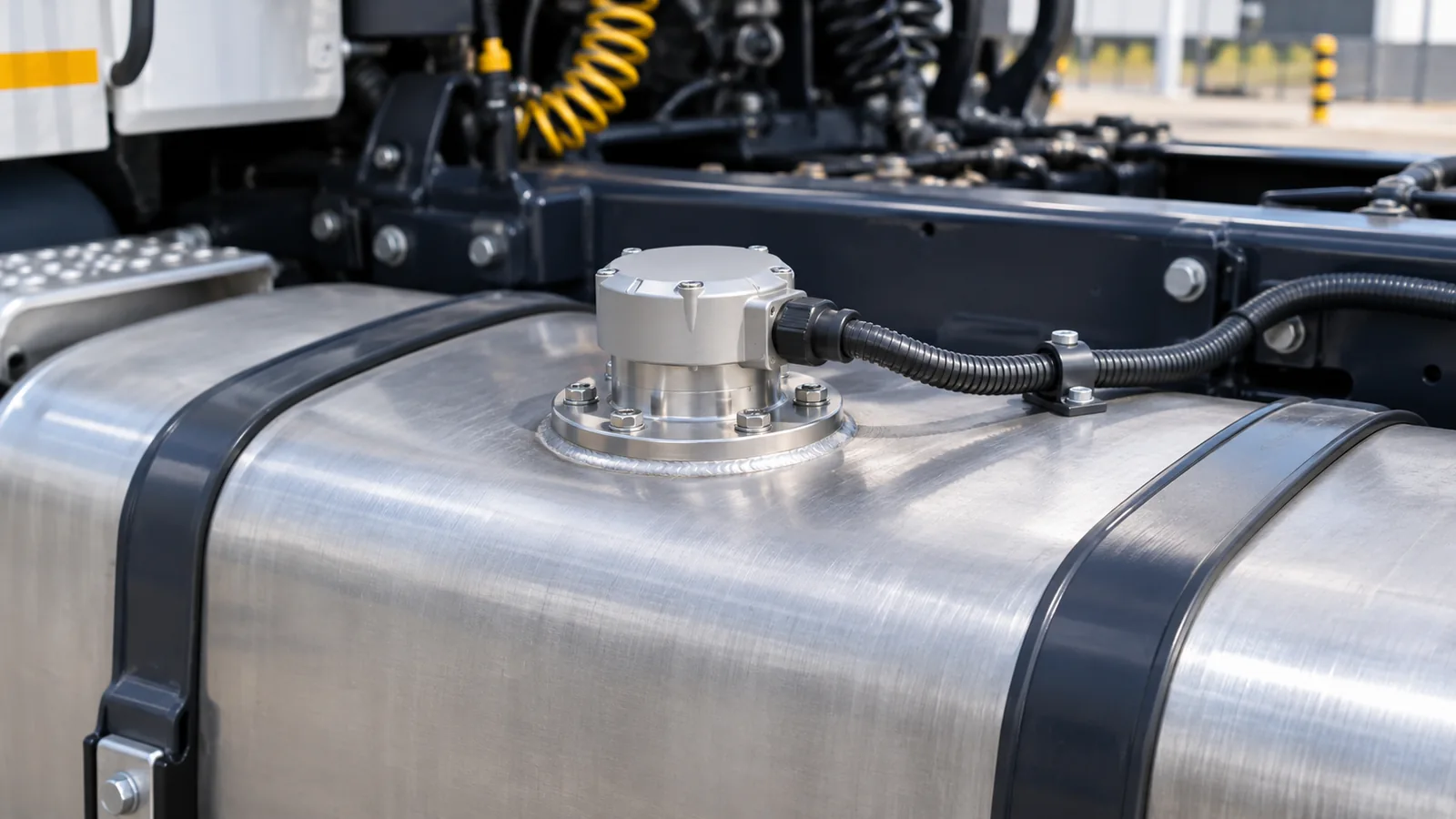
A dedicated sensor measures fuel level in the tank and can be useful where vehicle data is unavailable or unsuitable for the monitoring task. Installed volume reporting also depends on tank calibration and the platform’s interpretation of the readings.
Compare wired and wireless fuel level sensors against the installation conditions. A wired interface requires the correct electrical and protocol support. BLE requires a compatible receiver, suitable reception at the installed location and a plan for battery maintenance.
Mercetech offers the SP-BLE 4 wireless fuel level sensor and the SP-485 wired fuel level sensor for assessment within compatible systems.
Compare useful reports rather than dashboard appearance
Request examples of the records your team will use every day. A clear fuel history graph is helpful, but operators also need to understand the timestamps, units, data gaps and conditions behind the graph.
Useful questions include:
- Can the platform show fuel level alongside ignition, movement and location?
- How are refuelling events and unusual drops identified?
- Can users review the underlying readings before accepting an event?
- Are missing records visible instead of being treated as zero fuel?
- Can reports be exported and linked to vehicle records?
- Who can change calibration tables and alert settings?
For background on the available measurement approaches, Teltonika’s fuel control guide discusses vehicle data and additional sensors. Compatibility still needs to be checked for the selected equipment.
Plan a representative pilot
Choose assets that reflect your real operating conditions. Include different tank shapes, routes or equipment types where these vary across the fleet. Record an initial baseline before evaluating the new setup.
During the pilot, validate known refuelling quantities, review stationary readings and examine normal driving conditions. Include the staff who will handle alerts and maintenance. A system that collects data successfully but leaves nobody responsible for review will deliver limited operational value.
Compare the total cost of ownership
The sensor purchase is only one part of a deployment. Installation, calibration, tracking subscriptions, connectivity, battery servicing, technician visits and future replacement all contribute to the cost.
Ask suppliers to separate these items in the quotation. Also clarify who owns the calibration records, whether exports are available and how support is handled when the sensor, tracker and software come from different providers.
Match the solution to a daily process
Agree who reviews exceptions, who checks fuel receipts and who closes an investigation. Set consistent reporting periods and document changes to tanks or equipment.
A measured fuel drop can justify investigation, but it is not proof of theft by itself. Fuel movement, transfers, maintenance and missing data must be considered. Our fuel theft detection guide explains this review process.
Fuel monitoring solutions: frequently asked questions
Is a wireless sensor always better than a wired one?
No. Tank location, tracker compatibility, reception, maintenance arrangements and installation requirements determine which option fits the application.
Will a fuel monitoring system automatically reduce costs?
It provides information that can support better decisions. Any savings depend on verified losses, operational changes and consistent follow-up.
How can Mercetech help with selection?
Share your fleet requirements, including the vehicle types, tanks, existing trackers and reporting platform. The team can assess a suitable sensor and integration approach.
The most useful fuel monitoring solutions produce data your team can check and act on consistently. Review the pilot results with operations and maintenance staff before using the same configuration across additional vehicles.
For an equipment manufacturer’s comparison of vehicle data and dedicated sensors, see the Teltonika fuel control guide. See the Teltonika guide to fuel control options.
Fuel Monitoring Solutions: Build a Pilot Acceptance Sheet
Before comparing proposals, write down the operational decisions that the monitoring system must support. Examples include reviewing refuelling, planning replenishment and investigating unusual changes. Assign a person to each review process and decide which existing records will be used as supporting evidence.
Define a Test Group for Fuel Monitoring Solutions
Assess fuel monitoring solutions on the tank shapes, assets, receiving devices and operating conditions that matter to the rollout. A successful demonstration on one convenient vehicle does not establish the result for every installation. Record the configurations included and the important cases still untested.
Validate the Fuel Monitoring Solutions Data Path
For each pilot asset, identify the sensor, tracker, calibration table and platform configuration. Compare known reference quantities with the displayed result. Record how fresh readings, delayed uploads and unavailable data are shown to the operating team.
Test Fuel Monitoring Solutions with Recorded Events
Select documented refuelling and operating events from the pilot period. Compare event time, measured quantity and reported change. Keep unexplained differences open for investigation rather than forcing every observation into a successful outcome.
Use evidence for the rollout decision
Useful fuel monitoring solutions combine suitable hardware with a reporting process the team can maintain. Review data completeness, report clarity and the effort needed to resolve issues. Agree which findings must be addressed before expansion, and retain the accepted configuration for later installations.
The related guides below cover the sensor, calibration and logistics tasks behind that acceptance process. Use them to prepare a consistent enquiry and commissioning record, then check the exact model instructions and the responsibilities included in the supplier’s proposal.
Related Fuel Monitoring Guides


Choosing Fuel Monitoring Solutions for African Projects
An African fuel monitoring project should define the complete scope: sensor hardware, receiving device, connectivity, reporting platform, installation and calibration. Ask who supplies and supports each component in the destination country. Compare the proposed system on representative assets before placing a larger order.
Read the relevant project requirements: Northern Africa · West Africa · Middle / Central Africa · East Africa · Southern Africa. Confirm product availability, delivery, local commissioning and support for the destination country in the quotation.
Compare Fuel Monitoring Solutions Across Your Markets
For fleet fuel monitoring projects in India, UAE/GCC and Africa, compare the complete measurement-to-reporting setup. Fuel level sensors, compatible trackers or gateways, connectivity and software have separate roles. Request a quotation that identifies hardware, calibration, installation and any platform scope so the proposed solution matches your operating requirements.
Choose the relevant buying guide: Fuel level sensors in India · Fuel level sensors for UAE and GCC projects · Fuel level sensors for African projects. Product availability, delivery and service scope are confirmed in the quotation for your destination.