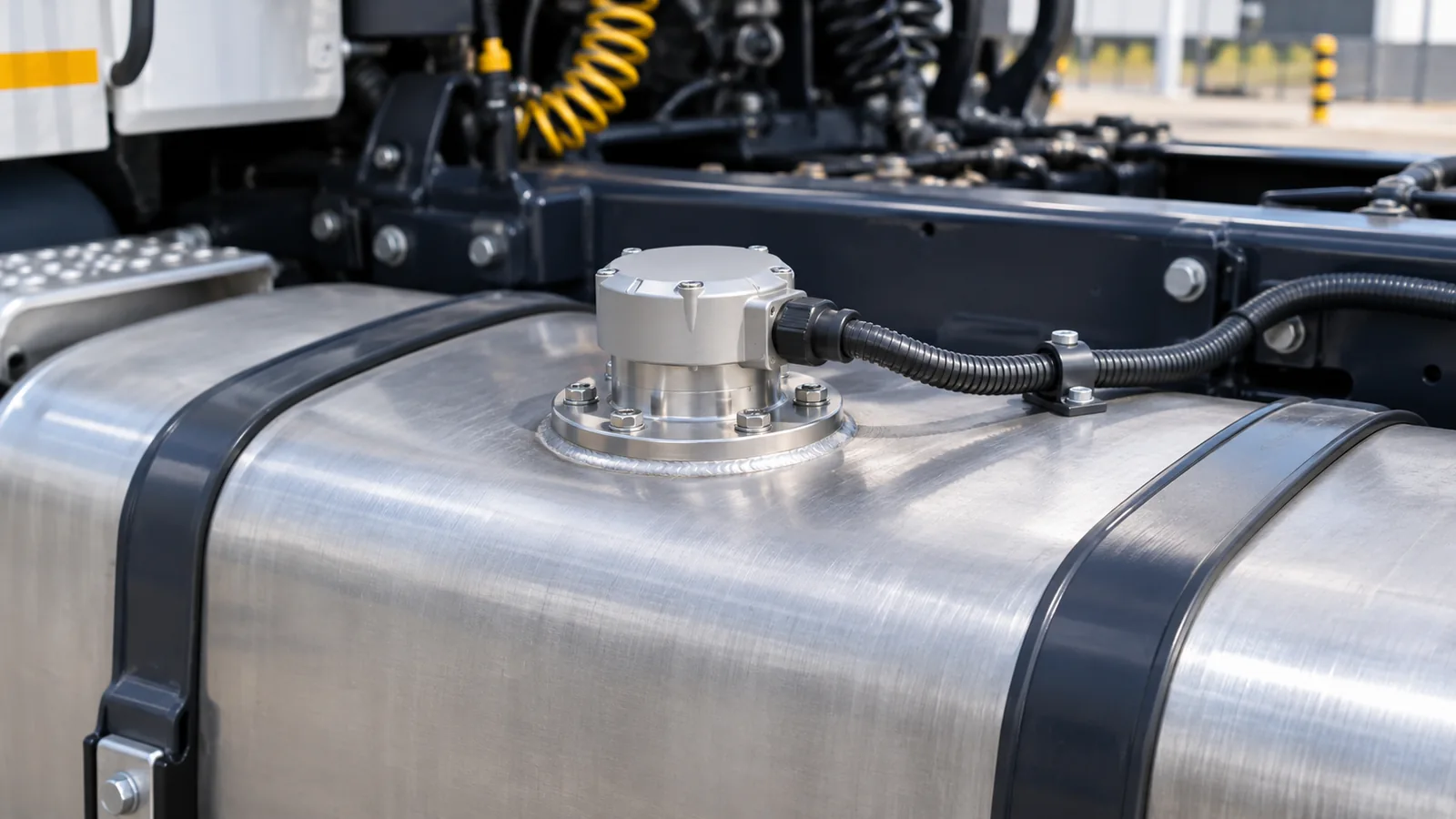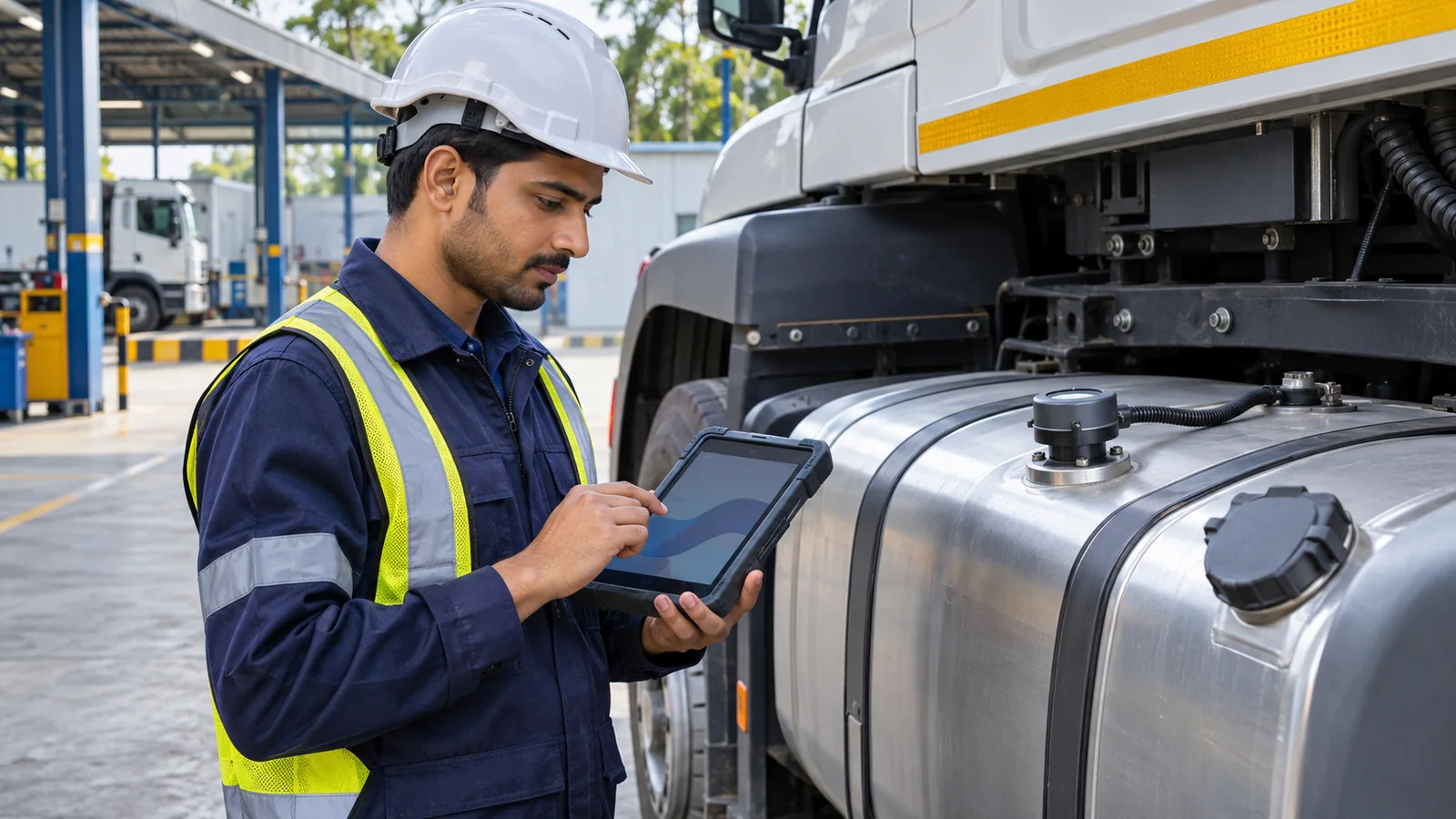
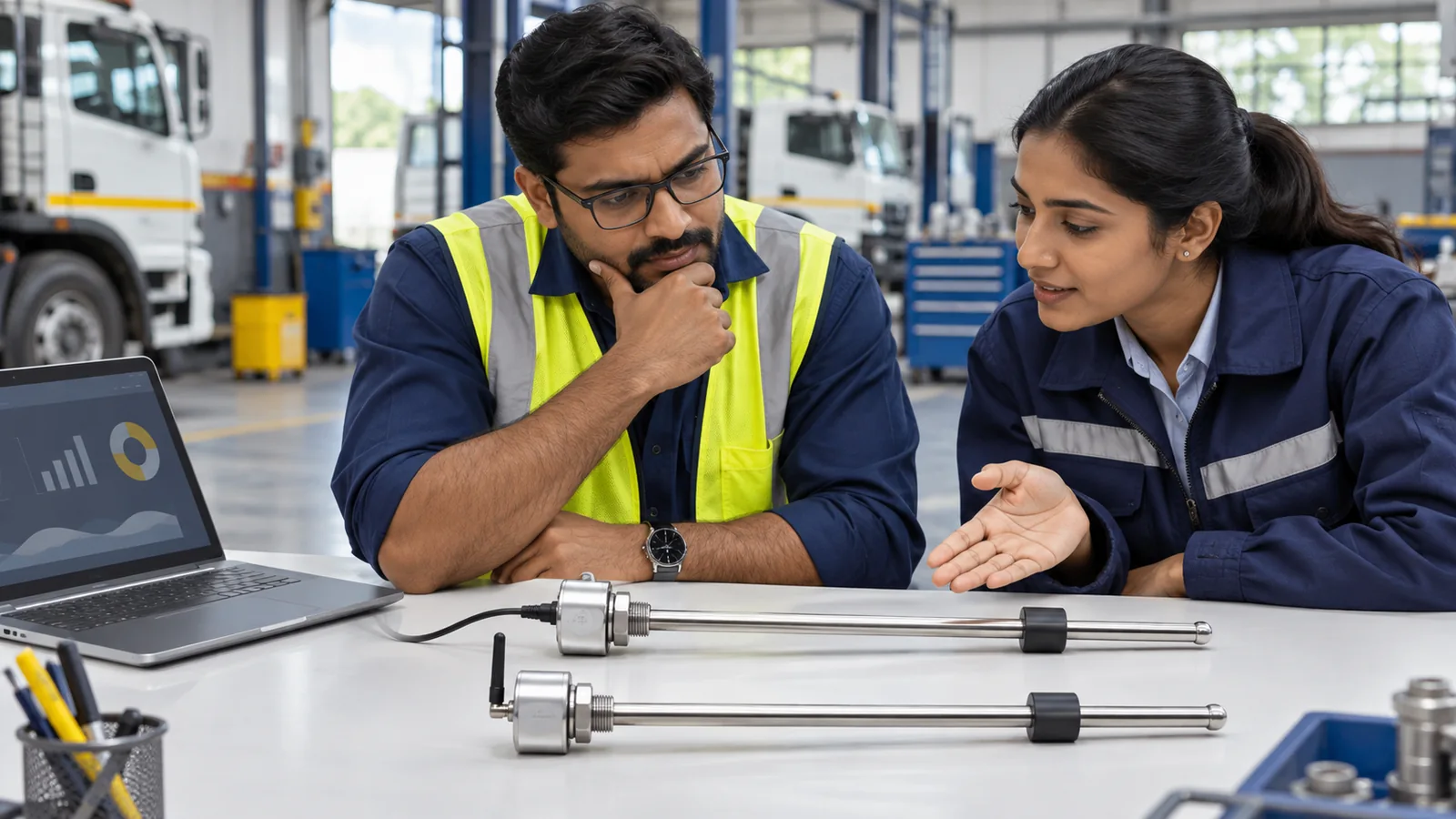
Comparing fuel level sensor companies in India is easier when the evaluation starts with your tanks, vehicles and reporting needs. The best choice for a long-haul truck fleet may differ from the choice for generators, mining equipment or stationary diesel tanks.
A useful comparison goes beyond a list of brand names. It asks whether the proposed sensor can be installed correctly, communicate with the existing tracker and produce validated fuel information in your platform. This guide gives fleet owners and procurement teams a practical way to compare suppliers.
When comparing fuel level sensor companies in India, keep the application and integration questions consistent across quotations. A useful comparison records what is included, what needs separate work and which party will validate the final reports.
Contents
Fuel level sensor companies in India: define your application
Prepare a short asset profile. Include the vehicle or equipment type, tank dimensions, fuel type, operating conditions and installation access. Mention whether there are multiple tanks, regular fuel transfers or restrictions on modifying the tank.
Also identify the monitoring objective. Remaining fuel, refuelling verification, consumption analysis and investigation of unusual losses involve different reporting requirements. Clear requirements help suppliers propose comparable solutions.
Compare sensor suitability and measurement claims
Ask what the stated accuracy refers to and under which conditions it was established. A sensor specification and the accuracy of a complete installed litres report are not the same measurement.
Request the applicable datasheet, installation requirements and calibration procedure. Then evaluate the proposed installation across the usable tank range. Environmental protection, vibration exposure, temperature and fuel compatibility should fit the actual application.
Avoid choosing a supplier solely because an advertisement promises a percentage saving. Any operational benefit depends on existing losses, data quality and the actions taken after review.
Check GPS tracker and platform compatibility
A sensor interface name alone is not enough. For a wired system, confirm the electrical interface, protocol, supported values and the tracker’s configuration. For a wireless system, verify the BLE data format and the receiving device’s support.
Ask the supplier to demonstrate the exact equipment combination. The platform should display the correct units and preserve usable timestamps. Where fuel alerts are required, check how the software identifies events and how users can examine the original readings.
Our guide to fuel monitoring solutions explains the roles of sensors, trackers and reporting software.
Choose between wired and BLE fuel sensors
Wired sensors can suit projects with an appropriate power supply, cable route and supported tracker interface. Check cable protection and the effort required to service the installation.
BLE fuel sensors can reduce communication wiring to a compatible receiver. Evaluate reception at the installed tank, sensor identification, battery servicing and the way multiple sensors are handled.
Neither approach is universally better. Choose according to tank location, fleet conditions, maintenance capacity and integration support.
Evaluate installation and calibration support
Ask who will survey the tank, install the sensor, build the tank table and validate the final report. These responsibilities should be clear before a large rollout.
Request a sample commissioning record. It should connect the asset number, sensor identity, calibration data and tracker details. If the tank or sensor configuration changes later, your team needs a reliable record of the original setup.
Read our fuel sensor calibration guide for the information worth retaining with each installation.
Compare service terms and total deployment cost
A lower purchase price may not represent a lower project cost. Compare installation, calibration, connectivity, software subscriptions, maintenance visits and replacement arrangements.
Clarify these points in writing:
- What is included in the quoted hardware and installation price?
- Which warranty terms apply to the sensor and battery, where applicable?
- Who handles faults involving the sensor, tracker and platform?
- Are calibration tables and historical reports available for export?
- What response and site-service arrangements are offered?
- What changes if the fleet expands to another region?
Where Mercetech fits in the comparison
Mercetech Innovations offers wired and wireless fuel sensing options for assessment within compatible monitoring systems. The SP-BLE 4 fuel level sensor uses BLE communication and includes tilt and temperature measurement features. The SP-485 RS485 fuel level sensor is a wired option.
Review the current product information and obtain a project-specific proposal. Ask for a representative pilot with your tank, tracker and platform before committing to fleet-wide deployment.
Comparing fuel level sensor companies in India: FAQs
Which is the best fuel level sensor company in India?
There is no single answer for every project. Compare proven suitability, integration, commissioning support, service terms and overall cost against your requirements.
Should I buy a sensor before selecting a platform?
Confirm the complete integration first. Buying components separately without checking compatibility can create avoidable implementation work.
What should I send when requesting a proposal?
Send Mercetech your requirements, including fleet size, asset types, tank details, existing trackers and the reports you need. A specific brief supports a more useful comparison.
Shortlist fuel level sensor companies in India only after tank suitability, installation responsibilities and support arrangements are clear. Ask for the applicable model documentation so that a general sales statement does not replace a written specification.
For a wireless option, use the Bluetooth SIG overview to understand the standard, then confirm the exact sensor and tracker profiles with the supplier. See the Bluetooth technology overview.
Comparing Fuel Level Sensor Companies in India: An Enquiry Worksheet
Share this worksheet with shortlisted fuel level sensor companies in India. Send the same requirement brief to each shortlisted supplier so the responses can be compared on a consistent basis. Include asset quantities, tank dimensions, intended fuel, tracker models, platform details and installation locations. State which items are confirmed and which still need an assessment.
Ask for evidence against each requirement
When comparing fuel level sensor companies in India, request the current datasheet for the actual offered model. Ask the supplier to identify the supported interface, protocol, probe configuration and operating limits. Keep the product identity and document revision with the quotation so a later substitution can be checked.
Integration Questions for Fuel Level Sensor Companies in India
Record who will confirm tracker support, create the tank table, configure the platform and perform acceptance checks. A sensor quotation and a complete working monitoring installation may cover different responsibilities. Clarify the scope before comparing totals or making a purchasing decision.
Agree a representative pilot
Choose tanks and receiving devices that reflect the planned rollout. Set observable acceptance criteria for data availability, reference readings, refuelling reports and event review. Ask how unresolved issues will be documented and which team will investigate them.
Service Terms from Fuel Level Sensor Companies in India
Request the current support route, applicable warranty terms, replacement process and documentation supplied at handover. Do not infer these details from a marketing headline. A useful comparison records the terms actually offered for the chosen model and deployment.
The purpose of reviewing fuel level sensor companies in India is to select a suitable, supportable system for your operation. Keep the technical assessment separate from unverified popularity claims, then use the related guides to prepare calibration and daily reporting requirements.